

How to Top Up a Worcester Boiler: Step-by-Step Guide
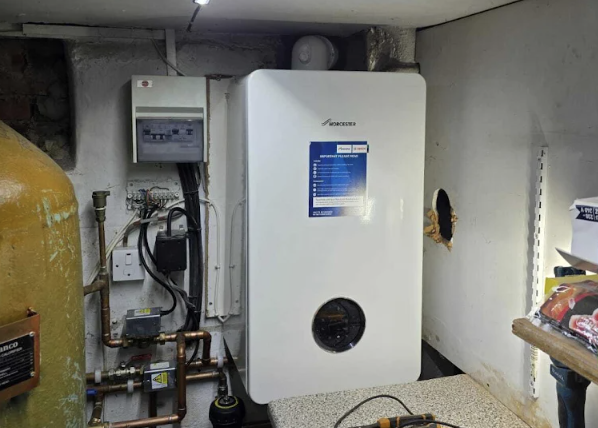
Wondering how to top up a Worcester boiler because the pressure has dropped? Start by checking the pressure gauge when the system is cool, then use your boiler’s filling mechanism, whether that’s a keyless filling link, an internal filling key or an external filling loop, to add water slowly until the gauge reaches around 1 to 1.5 bar.
At WPJ Heating, we regularly come across boilers with low pressure, and for homeowners with a Worcester boiler, knowing how to top it up safely helps keep the heating system running properly and can prevent unnecessary breakdowns or repair costs. Sometimes an occasional top-up is all that’s needed. However, if your pressure keeps falling, there could be an underlying issue worth investigating.
Here’s how to check the correct boiler pressure, top up common Worcester boilers step by step, deal with overfilling, understand why pressure drops, and recognise when it’s time to call an engineer.
What Pressure Should a Worcester Boiler Be?
When your heating system is cool, Worcester Bosch advises that the pressure should generally be between 1 and 1.5 bar.
You’ll usually see the pressure on a gauge or, with some newer boilers, on the digital display.
As a general guide:
- 1 to 1.5 bar when cool: usually normal
- Below 1 bar: the system may need repressurising
- Below 0.5 bar: Worcester Bosch advises that water has been lost and needs replacing
Don’t worry if the pressure increases slightly when your heating is running. That’s normal because heated water expands.
Why Does My Worcester Boiler Lose Pressure?
An occasional drop isn’t necessarily a sign that something is wrong. Worcester Bosch says a heating system may typically need topping up once or twice a year.
Pressure can also fall after you bleed radiators, because releasing trapped air can lower system pressure.
However, if you’re constantly topping up your Worcester boiler, there may be another cause, such as:
- A leaking radiator valve or pipe connection
- leaks in the system
- Water escaping through the pressure relief valve
- An expansion vessel issue
- Another boiler or heating-system fault
We always recommend looking at the pattern. Repeated topping up usually points to ongoing pressure loss rather than a one-off drop. Topping up once is very different from having to do it every few days.
How to Top Up a Worcester Boiler
Before starting, turn off your boiler, then check which filling system your boiler uses. A Worcester Bosch boiler can have different arrangements, including an internal filling key, keyless filling link, external filling loop or automatic filling system.
If you’re unsure which one you have, check the instructions for your exact boiler model to find the filling arrangement before proceeding.
Using a Worcester Keyless Filling Link
Some newer Worcester Bosch models have a keyless filling link underneath the boiler that uses a blue lever to add water.
- Check the pressure while the heating system is cool.
- Locate the filling lever underneath the boiler.
- Carefully pull the lever down.
- You should hear water flowing into the heating system.
- Watch the pressure gauge as it rises, as the pressure rise can lag slightly, so keep watching before releasing the lever.
- Release the lever when the pressure reaches approximately 1 to 1.5 bar.
- Check that the water flow has stopped.
That’s it. This is a straightforward task that takes just a few minutes if you keep watching the gauge carefully and avoid overfilling the system.
Using a Worcester Internal Filling Key
If your Worcester boiler uses a filling key, commonly found on older Worcester Bosch models, the process is slightly different.
- Locate the correct filling key.
- Insert it into the filling link as instructed for your model.
- Turn the key into its locked position.
- Use the filling valve slowly turn so water enters in a controlled way.
- Listen for water entering the system while watching the pressure gauge.
- Stop when the pressure reaches around 1 to 1.5 bar so the boiler does not shut down on low pressure.
- Make sure the valve is shut before unlocking the key, then turn the key back to the closed position before removing it.
Store the filling key somewhere safe afterwards, making sure the valve is fully closed first. It’s surprisingly easy for these little keys to disappear just when you need them.
What About an External Filling Loop?
Some Worcester boiler installations have an external filling loop, usually a silver braided hose with valves connecting the mains water supply to the heating system through nearby pipes.
The setup usually has two valves to control the flow, and you add water gradually while monitoring the gauge.
Once the boiler pressure gauge reaches the recommended level, the valves are closed again at the correct pressure.
However, installations differ. If you’re unsure whether you’re looking at the correct valves, don’t experiment. Check your boiler manual or speak to a heating engineer.
What If I Put Too Much Pressure in My Worcester Boiler?
It’s easy to become distracted while filling the system and let the pressure climb slightly too far.
If this happens, stop adding water, as overfilling can damage the boiler and heating system.
Worcester Bosch advises that an overfilled system can have its pressure reduced by bleeding radiators carefully until the gauge returns to the recommended range, then making sure the bleed point is fully closed afterwards.
If the pressure becomes very high, keeps increasing or regularly rises significantly when your heating comes on, arrange for an engineer to inspect the system.
A large pressure increase as the boiler heats up can indicate an issue such as the expansion vessel needing attention.
Why Does My Worcester Boiler Pressure Keep Dropping?
This is where we wouldn’t recommend simply topping up the boiler again and again, as repeated refilling may mean the pressure is too low for a reason that needs investigating.
Look around your radiators, valves and visible pipe connections for signs of moisture, as leaks here can affect water pressure. It’s also worth checking whether the external pressure relief pipe is dripping.
If there’s no obvious leak but the pressure continues falling, there may still be an issue elsewhere in the system. Low pressure can make the boiler stop working or fail to function properly.
A professional heating engineer can investigate the cause and help keep the system working properly rather than repeatedly treating the symptom.
How Often Should I Top Up a Worcester Boiler?
Worcester Bosch advises that maintaining the recommended pressure helps keep the heating system in good condition, and it may normally require topping up around once or twice a year.
If you’re doing it considerably more often than that, it’s worth arranging an inspection.
A sealed central heating system shouldn’t continually lose pressure. Frequent pressure loss is usually telling you that something needs checking, because repeated top-ups can stop the boiler running efficiently and prevent the system from work efficiently over time.
When Should I Call a Heating Engineer?
We always recommend calling a professional, but here are some clear signs:
- You can’t identify the correct filling mechanism
- The pressure drops again shortly after topping up
- You notice a leak
- You hear unusual noises after topping up
- The pressure becomes unusually high
- The pressure changes dramatically when the heating runs
- The boiler still shows a fault after repressurising
- You feel unsure about carrying out the procedure yourself
You should never remove the boiler casing or interfere with internal gas components yourself. Gas-related work must be carried out by an appropriately qualified Gas Safe registered engineer or another certified Gas Safe engineer.
Frequently Asked Questions
Can I Top Up My Worcester Boiler Myself?
If your boiler has homeowner-operated filling controls, you can follow Worcester Bosch’s instructions for your specific model. If you can’t confidently identify the correct controls, ask an engineer for help.
Should I Top Up the Boiler When It’s Hot?
Check the pressure when the heating system is cool. Turn the boiler off and let it cool before checking pressure or topping up, as that helps protect hot water and heating performance. The pressure naturally increases when the water heats up, so a hot reading won’t give you the best indication of the system’s cold pressure.
Is 0.5 Bar Too Low?
Yes. Worcester Bosch advises that a reading below 0.5 bar means water has been lost from the heating system and needs replacing, and a reading this low can cause the boiler to shut down until the pressure is restored.
Why Did the Pressure Drop After Bleeding My Radiators?
This can be normal. Bleeding radiators releases trapped air and can reduce the system pressure. Check your boiler gauge afterwards and repressurise if required.
Need Help With Your Worcester Boiler?
Learning how to top up a Worcester boiler can help you fix a simple low-pressure issue quickly, and in many cases it takes about 5 minutes.
The key is to check the pressure when the system is cool, identify the correct filling mechanism and aim for around 1 to 1.5 bar, since keeping the correct pressure helps the boiler function properly and supports reliable hot water and heating, following the instructions for your particular Worcester Bosch model.
If the pressure keeps dropping, the boiler may turn off or need further checks.
But remember, topping up shouldn’t become a regular job.
If your Worcester boiler keeps losing pressure, WPJ Heating can help identify what’s causing it and recommend the appropriate solution, especially if repeated top-ups suggest ongoing pressure loss or issues affecting the wider system. Our experienced heating engineers work with homeowners across London to keep boilers and central heating systems running safely and reliably. Contact us today.