

Why Is My Boiler Losing Pressure Overnight?
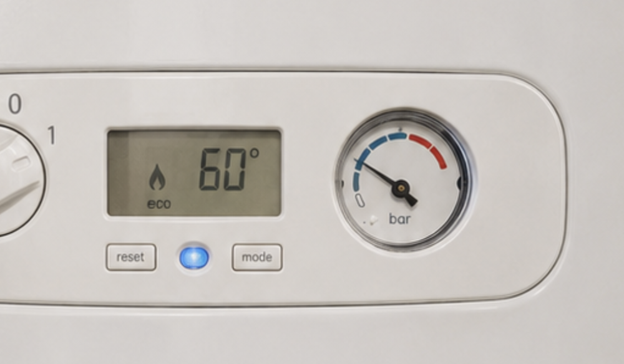
If you’ve checked your pressure gauge before going to bed only to find your boiler pressure has dropped by the morning, you’re probably wondering what’s going on.
It’s one of the most common questions we hear from homeowners. A boiler losing pressure overnight can be frustrating, especially if you’re constantly using the filling loop to top it back up. While it may seem like a minor inconvenience at first, recurring pressure loss is usually a sign that something within your heating system needs attention.
The good news is that most boiler pressure issues can be diagnosed and repaired before they become expensive breakdowns.
In this guide, we’ll explain why your boiler losing pressure overnight, the most common causes, what you can safely check yourself and when it’s time to call one of our Gas Safe registered engineers.
What Does Boiler Pressure Actually Mean?
Your gas boiler relies on water circulating around your central heating system to provide heating and, in many homes, hot water.
To circulate correctly, the system must maintain the correct pressure.
For most modern boilers, the ideal system pressure sits between 1 and 1.5 bar when the heating is cold. As water heats, it naturally expands, causing slight pressure changes. This is completely normal.
However, if your pressure gauge regularly shows low boiler pressure, or the pressure falls overnight, there’s likely an underlying fault causing your boiler pressure loss.
Modern boilers include several built-in safety features that monitor pressure levels. If the pressure drops too low, your boiler may display a fault code or shut down altogether to protect its internal components.
Is It Normal for Boiler Pressure to Drop Overnight?
A small fluctuation is perfectly normal.
As your central heating switches off overnight, the water cools and contracts slightly, and the pressure may reduce by a small amount.
However, noticeable overnight pressure loss isn’t considered normal.
If your boiler loses pressure every night or every few days, there’s almost certainly a fault somewhere within the heating system.
In our experience, a healthy boiler should hold pressure for months without needing to be topped up.
If you’re regularly reaching for the filling loop, it’s worth investigating the cause rather than simply fixing low boiler pressure temporarily.
The Most Common Reasons Your Boiler Is Losing Pressure Overnight
Hidden Leak Somewhere in the Heating System
By far the most common cause of boiler losing pressure overnight is a hidden leak.
Even a tiny amount of leaking water can slowly reduce system pressure, particularly while the heating is off overnight.
Hidden leaks aren’t always easy to spot.
We’ve attended properties where the only clue was that the pressure gauge kept dropping, yet no water was visible. Eventually, we discovered leaking pipework beneath suspended floors or inside walls.
Look out for:
- Damp patches on ceilings or walls
- Wet carpets
- Rust around a radiator valve
- Water beneath radiators
- Moisture around pipe joints
- Dripping valves
- Unexplained mould growth
If there are no visible leaks, don’t assume everything is fine. Small leaks can remain hidden for months before becoming obvious.
A Faulty Pressure Relief Valve
Every modern boiler includes a pressure relief valve, which acts as an important safety device.
Its purpose is to release excess water if the pressure becomes dangerously high.
Occasionally, a faulty pressure relief valve doesn’t reseal properly after opening.
Instead of remaining watertight, it slowly allows water to escape through a small copper pipe that exits outside your property.
Because the water drains externally, many homeowners never realise anything is wrong.
If you notice water dripping from this small copper pipe, especially when the heating isn’t operating, the boiler’s pressure relief valve could require replacement.
Expansion Vessel Problems
Another common cause of boiler pressure loss is the expansion vessel.
The expansion vessel absorbs pressure created as water heats inside the heating system.
Without it, pressure would rise rapidly whenever your boiler operates.
A faulty expansion vessel can no longer regulate these pressure changes, causing pressure to increase while the heating is running before dropping dramatically once the system cools.
Typical signs include:
- Pressure rises quickly while heating is on
- Pressure falls overnight
- Boiler repeatedly needs topping up
- Pressure relief valve starts releasing water
- Boiler shutdowns caused by pressure fluctuations
Many homeowners mistake this for a leak, but expansion vessel issues are incredibly common, particularly on older boilers.
This repair should always be carried out by a qualified engineer.
Bleeding Radiators
If you’ve recently been bleeding radiators, it’s perfectly normal for boiler pressure to reduce afterwards.
When releasing air from radiators, you’re also reducing water pressure within the system.
After you’ve released trapped air, simply use the filling loop to restore the pressure back to around 1.5 bar, following your boiler manufacturer’s instructions.
However, if you’re carrying out frequent bleeding, it may indicate air inside the system caused by a hidden leak or another internal fault.
A Faulty Filling Loop
The filling loop is used to add water back into your heating system whenever the boiler pressure becomes too low.
Although it’s a simple component, it can occasionally cause pressure problems.
If the valves aren’t fully closed after repressurising or the filling loop develops a fault, your system pressure may become unstable. In some cases, worn seals can allow a small amount of leaking water, contributing to ongoing boiler pressure loss.
If you’re unsure whether your filling loop is working correctly, one of our Gas Safe registered engineers can inspect it during a service or repair visit.
Corroded Pipework and Worn Components
As a central heating system ages, its components naturally wear out.
Older radiators, valves and pipework can develop tiny pinhole leaks that are difficult to spot at first. These small leaks often cause gradual pressure loss, particularly overnight, when the heating is off and the water cools.
We’ve found hidden corrosion beneath floorboards, inside airing cupboards and even underneath concrete floors. In many cases, homeowners only noticed there was a problem because the pressure gauge kept falling.
If your boiler is over 10 to 15 years old, regular servicing becomes even more important to identify worn parts before they fail.
How to Check Where Your Boiler Pressure Is Going
Before arranging a repair, there are several simple checks you can carry out safely.
Start by looking around your home for signs of visible leaks.
Pay particular attention to:
- Radiator valves and every radiator valve
- Boiler pipework
- Visible pipework under sinks or in cupboards
- Pipe connections and pipe joints
- Towel rails
- The small copper pipe outside your home
- Any obvious water dripping
- Damp patches on walls or ceilings
Next, monitor your pressure gauge.
Ask yourself:
- Does the pressure drop overnight only?
- Does the pressure reduce while the heating is running?
- Does the pressure stay stable until the boiler cools down?
- Are you seeing a fault code on the display?
These observations help a heating engineer diagnose the fault much more quickly.
Can You Keep Topping Up the Boiler?
It’s tempting to use the filling loop every time your pressure drops, but this only masks the real problem.
Every time fresh water enters your heating system, additional oxygen enters with it. Over time, this can accelerate internal corrosion and reduce the lifespan of key internal components, including the circulation pump, heat exchanger and radiators.
Occasionally repressurising your boiler isn’t harmful. However, if you’re topping it up every few weeks, you shouldn’t ignore the issue.
Instead, arrange for a Gas Safe engineer to investigate why your boiler loses pressure.
How to Fix Low Boiler Pressure
If your pressure gauge shows low pressure, you may be able to safely fix low boiler pressure yourself.
Most combi boilers and many sealed heating systems can be repressurised using the filling loop.
The general process is:
- Turn the boiler off and allow it to cool.
- Locate the filling loop beneath the boiler.
- Slowly open the valves.
- Watch the pressure gauge carefully.
- Stop filling once the pressure reaches approximately 1.5 bar, or the level recommended by your boiler manufacturer.
- Close both valves securely.
- Restart the boiler and check whether the pressure remains stable.
Avoid adding too much pressure, as overfilling can activate the pressure relief valve, allowing excess water to escape and creating further boiler pressure issues.
If the pressure quickly drops again after topping up, there’s almost certainly a faulty component, internal fault or leak somewhere within the system.
When Should You Call a Heating Engineer?
Some boiler faults require specialist equipment to diagnose properly.
We recommend contacting a qualified engineer if:
- Your boiler is losing pressure overnight repeatedly.
- The pressure gauge drops every day.
- Your boiler displays a fault code.
- You notice water dripping from the discharge pipe.
- You can’t find any visible leaks.
- Your heating stops working due to low boiler pressure.
- You suspect a faulty pressure relief valve or faulty expansion vessel.
- You’ve already topped the system up several times.
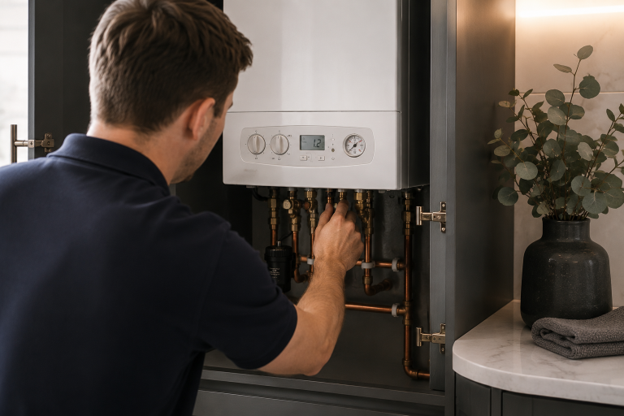
A professional heating engineer can pressure-test the system, inspect the expansion vessel, test the boiler’s pressure relief valve, check the circulation pump, identify hidden leaks and ensure your boiler is operating safely.
How to Prevent Boiler Pressure Problems
Although some faults occur naturally over time, good maintenance significantly reduces the likelihood of unexpected pressure issues.
We recommend:
- Booking an annual boiler service.
- Checking the pressure gauge every few weeks.
- Repairing leaking radiator valves promptly.
- Investigating pressure changes early.
- Avoiding repeated topping up.
- Maintaining inhibitor levels within the heating system.
- Having unusual noises checked before they develop into major faults.
A well-maintained healthy boiler should provide reliable heating and hot water for many years.
Frequently Asked Questions
Why is my boiler losing pressure overnight but there are no visible leaks?
A hidden leak, faulty expansion vessel or faulty pressure relief valve are among the most common causes. Water may also be escaping through the small copper pipe outside your property.
Can low boiler pressure stop my hot water?
Yes. Many modern boilers will stop providing both heating and hot water if the pressure drops too low, activating a built-in safety feature.
Does bleeding radiators cause pressure loss?
Yes. Bleeding radiators removes trapped air, which reduces system pressure. After you’ve finished releasing air, you should usually repressurise the system using the filling loop.
Can a hot water cylinder affect boiler pressure?
On systems with a hot water cylinder, certain faults can contribute to pressure fluctuations, although they’re less commonly responsible than leaks, expansion vessel faults or pressure relief valve problems.
Should I repair the boiler myself?
You should only carry out simple user maintenance, such as repressurising the system according to the boiler manufacturer’s instructions. Repairs involving gas appliances or internal components should always be completed by Gas Safe registered engineers.
https://www.youtube.com/watch?v=1WlUdhAdweg
Why Choose WPJ Heating?
At WPJ Heating, we’ve helped homeowners across the region diagnose and repair every type of boiler pressure issue, from hidden leaks and worn valves to faulty expansion vessels and failing heating components.
Our experienced Gas Safe registered engineers don’t just restore your boiler pressure. We identify the root cause, explain the issue in plain English and recommend the most cost-effective solution for your home.
Whether your boiler is losing pressure overnight, displaying a fault code, or simply isn’t performing as it should, we’re here to help keep your home warm, safe and comfortable all year round.
Conclusion
If you’ve been asking yourself, “Why is my boiler losing pressure overnight?”, the answer is usually that something within your heating system requires attention.
The cause could be a hidden leak, a faulty pressure relief valve, expansion vessel issues, ageing pipework or another faulty component. Whatever the reason, recurring pressure loss shouldn’t be ignored.
Although it’s easy to temporarily restore low boiler pressure using the filling loop, repeatedly topping up the system isn’t a permanent solution. The sooner the underlying issue is diagnosed, the less likely it is to lead to costly repairs or unexpected boiler shutdowns.
If you’re experiencing recurring pressure problems, contact the experienced team at WPJ Heating. Our Gas Safe registered engineers can quickly identify the fault, carry out the necessary repairs and restore your boiler to safe, efficient operation.