

How Long Does It Take to Fit a Combi, System or Regular Boiler?
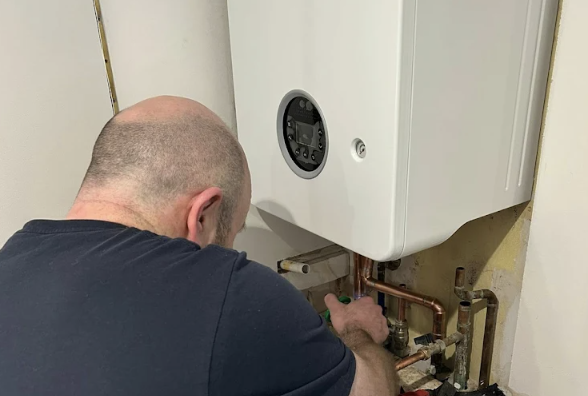
Quick Answer: How long does it take to fit a combi, system or regular boiler? A straightforward combi boiler replacement can take around 4 to 6 hours, although it’s sensible to allow a full working day for installation, testing and commissioning. A system or regular boiler replacement can take around 1 to 2 days, while converting a regular boiler to a combi or moving the boiler to a new location may take 2 to 3 days or longer. Ultimately, the installation time depends on your existing heating system, pipework, boiler location and the complexity of the work.
If your old boiler is on its way out, one of the first questions you’ll probably ask is: how long does it take to fit a combi system or regular boiler?
For a straightforward boiler replacement, the answer can be surprisingly quick. Replacing an existing combi boiler with a new combi boiler in the same location can often be completed within a day, with a straightforward boiler swap potentially taking around 4 to 6 hours.
More complicated jobs are a different story. Moving the boiler location, installing new pipework, changing the boiler type or converting an older central heating system could turn a one-day job into several days.
At WPJ Heating, we’ve learned that it’s better to give homeowners a realistic timeframe than promise that every boiler installation can be finished in a day. Your existing system, property and the amount of work required all make a difference.
So, let’s look at what you can realistically expect.
How Long Does It Take to Install a Combi Boiler?
A combi boiler provides your heating and hot water without requiring a separate hot water storage cylinder or cold water tank.
This makes combis relatively compact, which is one reason they’re such a popular choice for many homes.
Replacing an Old Combi Boiler
If we’re removing an old combi boiler and putting the new one in the same location, this is normally one of the quickest installations.
A straightforward replacement can take approximately 4 to 6 hours, although we’d generally advise allowing the working day for the complete installation process, testing and commissioning.
The engineer still needs to:
- Safely isolate and remove the existing boiler
- Install the new boiler
- Check the gas and water connections
- Install or adapt the flue and condensate arrangements where required
- Connect appropriate heating controls
- Test and commission the boiler
- Explain how the new system operates
So, although physically fitting the boiler may be relatively quick, a proper installation involves much more than simply hanging a new appliance on the wall.
What About a Completely New Combi Boiler Installation?
Installing a new combi boiler can typically take around 1 to 2 days, depending on the work required.
For example, the existing gas supply pipe must be suitable for the appliance and installation. Existing pipework, the flue, condensate route, controls and boiler location also need to be assessed.
If significant alterations are required, the installation could take longer.
How Long Does It Take to Install a System Boiler?
A system boiler works differently from a combi because it normally operates alongside a hot water cylinder.
Rather than producing all your hot water instantly at the boiler, heated water is stored for when it’s needed. This type of boiler system can suit homes with greater hot water requirements.
If you’re replacing an existing system boiler with a similar boiler in the same position and the rest of the system is suitable, installation may be completed in around one to two days.
However, the timescale depends on whether changes are required to the cylinder, controls, pipework or other parts of the heating system.
The important thing here is not to choose your boiler purely according to which is quickest to install. The right boiler needs to suit your property and household.
How Long Does It Take to Install a Regular Boiler?
A regular boiler, sometimes referred to as a conventional boiler or heat-only boiler, normally works with additional components such as a hot water cylinder and, depending on the system, a cold water storage tank.
These systems are commonly associated with more traditional central heating arrangements.
A like-for-like regular boiler replacement may take approximately 1.5 to 2 days, depending on the condition and configuration of the existing system.
Why can it take longer than a combi replacement?
There are simply more parts of the system to consider.
An engineer may need to work with the boiler, hot water cylinder, storage tank, controls and existing pipework. If you’re dealing with an old system, additional upgrades may also be appropriate.
That’s why a straightforward combi replacement is generally quicker than a more involved regular boiler installation.
How Long Does a Regular-to-Combi Conversion Take?
This is where installation becomes more involved.
If you’re replacing a regular boiler with an energy-efficient combi boiler, the engineer isn’t simply changing the appliance. They’re changing how your heating and hot water system works.
A combi conversion can commonly take around 2 to 3 days, although particularly complex installations could take longer.
The old hot water cylinder and water storage arrangements may no longer be required, pipework may need rerouting, and the new combi must be connected appropriately to the property’s water and gas supplies.
The available mains pressure and water flow also need consideration because a combi provides hot water directly rather than relying on stored hot water.
One advantage is space. Removing an unnecessary separate water tank and cylinder can free up an airing cupboard or loft space.
However, that doesn’t automatically make a combi the best choice for every property.
The decision should be based on your household’s heating and hot water requirements rather than installation speed alone.
What Can Make a Boiler Installation Take Longer?
This is where you’ll see the biggest differences between homes.
We’ve seen seemingly simple installations become more involved once the existing system is properly assessed. Equally, some replacements are genuinely straightforward.
Here are some of the factors that matter most.
Moving the Boiler to a Different Location
Changing the boiler location can add approximately 1 to 2 days to the job.
Moving a boiler can require new gas pipes, heating and water pipework, a new flue arrangement and a suitable condensate route.
If keeping the boiler in its current position works for your home, a same-location replacement will usually be quicker.
Existing Pipework
The condition and suitability of your existing pipework can have a significant effect on the job.
Older pipework may need alterations, while a new boiler or location can require new pipework.
The gas supply also needs to be assessed for the appliance being installed rather than assuming the existing arrangement is automatically suitable.
Power Flushing the Heating System
Older central heating systems can contain sludge and debris.
Where appropriate, additional system cleaning may be recommended as part of the installation. A thorough power flush, for example, can add significant time and potentially around a day to the overall job.
Whether a power flush is necessary should be determined from the condition and requirements of the individual system.
Changing Fuel Type
Changing the fuel type makes an installation much more involved than a straight swap and could add several days depending on what’s being installed.
It’s also worth remembering that a gas boiler isn’t the only heating option available. Depending on the property, homeowners may encounter alternatives including an electric boiler, heat pumps and biomass boiler systems.
These aren’t interchangeable products, however, and installation requirements vary significantly.
The Size of Your Property
A larger property can mean a larger and more complex heating system.
The installer needs to consider your home’s heating requirements rather than simply choosing the largest boiler size available.
An oversized boiler isn’t automatically better. Correct specification matters for comfort, efficiency and reliable operation.
What Happens During a New Boiler Installation?
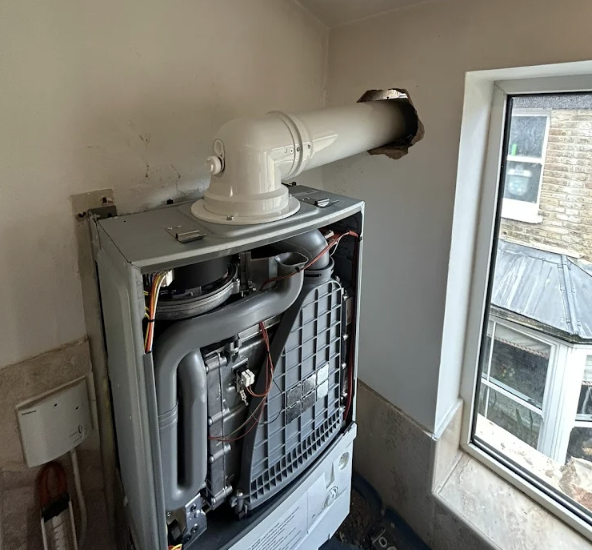
The precise process varies, but a typical new boiler installation starts with safely isolating and removing the current boiler.
The heating engineer can then prepare the area and fit the new appliance.
Connections to the heating system, water and gas supply pipe are completed as appropriate, followed by the flue, condensate arrangement and heating controls.
If you’ve chosen a smart thermostat, this can also be installed and configured as part of the new system where appropriate.
Once everything has been connected, the job isn’t finished.
The boiler must be properly tested and commissioned. Your engineer should then show you how to use your boiler and controls.
Gas work must be carried out by a suitably qualified Gas Safe registered engineer.
Can a New Boiler Make My Home More Energy Efficient?
Replacing a very old boiler with a modern, appropriately specified model can improve the efficiency of your heating system.
Modern condensing boilers are designed to recover more heat from combustion gases than older non-condensing designs. But don’t assume that fitting any new boiler will automatically slash your energy bills.
How much energy you use also depends on your property, insulation, controls, heating habits and the condition of the wider system.
Choosing the correct boiler and using your controls effectively are therefore just as important as replacing the appliance itself.
How Much Does a New Boiler Cost?
There’s no single average new boiler cost that accurately represents every installation.
The final boiler cost depends on factors including:
- Boiler type and model
- Boiler size
- Existing heating system
- Installation complexity
- Whether the boiler is being relocated
- Required pipework
- Heating controls
- System upgrades
- Additional labour
A straightforward replacement will normally cost less than a complex conversion requiring several days of labour and significant alterations.
Be cautious about comparing quotations based solely on the boiler itself. What’s included in the installation can make a substantial difference to the final price.
Will I Be Without Heating and Hot Water?
For part of the installation, yes.
Your existing boiler needs to be disconnected before the new boiler can be installed, so your heating and hot water won’t operate normally during that period.
For a straight boiler swap, disruption may only last part of the day.
For more complex installations, ask your heating engineer what will happen overnight and when they expect your hot water supply and heating to be restored.
Knowing this beforehand makes planning considerably easier, especially during winter.
Choosing the Right Boiler Rather Than the Quickest Boiler
When you’re without heating, it’s understandable to want the quickest possible solution.
But we’d encourage you not to choose your boiler type based solely on whether it can be fitted in six hours or two days.
The right solution depends on your property, existing heating system, available space, water pressure, hot water demand and household requirements.
A combi can be ideal for one home, while a system boiler or regular boiler may make more sense for another.
A good heating engineer should explain those differences rather than simply recommending whatever is easiest to install.
So, How Long Does It Take to Fit a Boiler?
As a useful guide:
- A straight boiler swap may take around 4 to 6 hours
- Replacing an existing combi with another combi normally takes around 1 day
- A new combi installation can take around 1 to 2 days
- A like-for-like regular boiler installation may take around 1.5 to 2 days
- A regular-to-combi conversion can commonly take around 2 to 3 days
- Moving a boiler can add around 1 to 2 days
- Major alterations and complex systems can take several days
Ultimately, how long it takes to replace a boiler depends on your property, current heating system and exactly what needs changing.
At WPJ Heating, we believe the important part isn’t simply getting a boiler fitted as quickly as possible. It’s making sure the installation is properly assessed, safely completed and suitable for the way you actually use your home.
If you’re considering a boiler replacement or complete heating system upgrade, speak to the WPJ Heating team about your existing setup. Once the property and requirements have been assessed, you’ll have a much clearer idea of the right boiler, likely installation time and work involved.