
Why does my hot water keep going cold? A Heating Engineer’s Guide
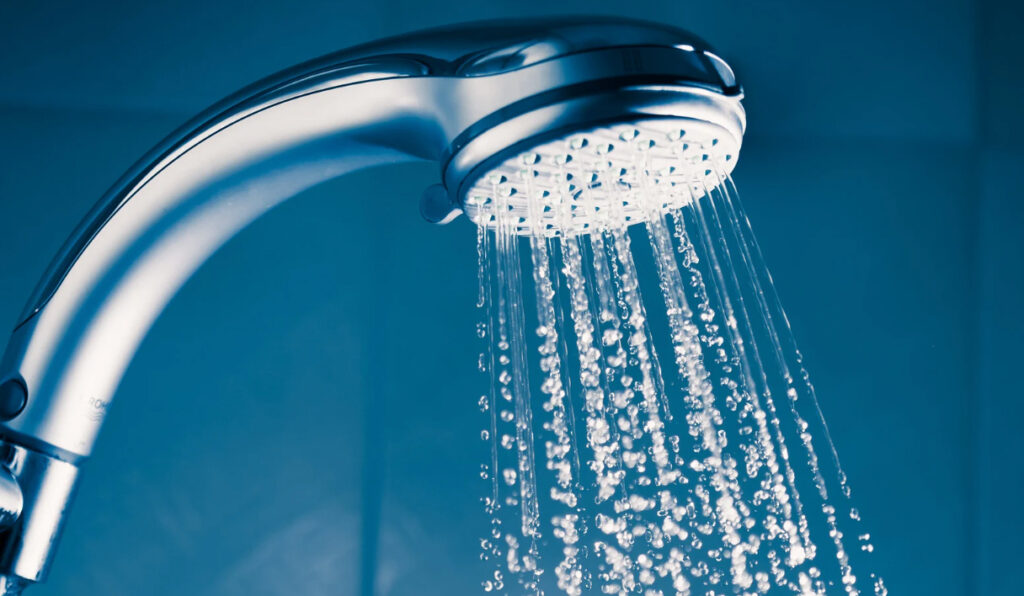
If you keep asking yourself, “Why does my hot water keep going cold?”, you are certainly not alone. Few things are more frustrating than stepping into a hot shower only for the water temperature to suddenly drop and turn freezing cold unexpectedly.
This is one of the most common reasons homeowners call a heating engineer, especially during the colder months when boilers and heating systems are under greater pressure.
Whether you have a combi boiler, system boiler, electric water heater, gas water heater, or traditional hot water tank, there are several factors that can cause hot water problems. Some issues are relatively minor, while others may point to more serious boiler faults or problems within your central heating system.
In this guide, WPJ Heating explains the most frequent reasons your hot water keeps going cold, what you can safely check yourself, and when it is time to call a professional plumber or qualified heating engineer.
Reasons Why Your Hot Water Might Be Going Cold
If your hot water keeps running cold intermittently, the issue is usually linked to a fault somewhere within the boiler, heating system, or hot water supply.
Common causes include:
- Faulty components
- Water pressure problems
- Sediment buildup
- Limescale build up
- Faulty thermostat settings
- Boiler issues
- High demand on the system
- Problems with the hot water cylinder or water heater tank
The exact cause often depends on the type of boiler you have, the age of the heating system, and whether your property is using a combi boiler, system boiler, or tankless water heater.
Your Combi Boiler Cannot Keep Up With Demand
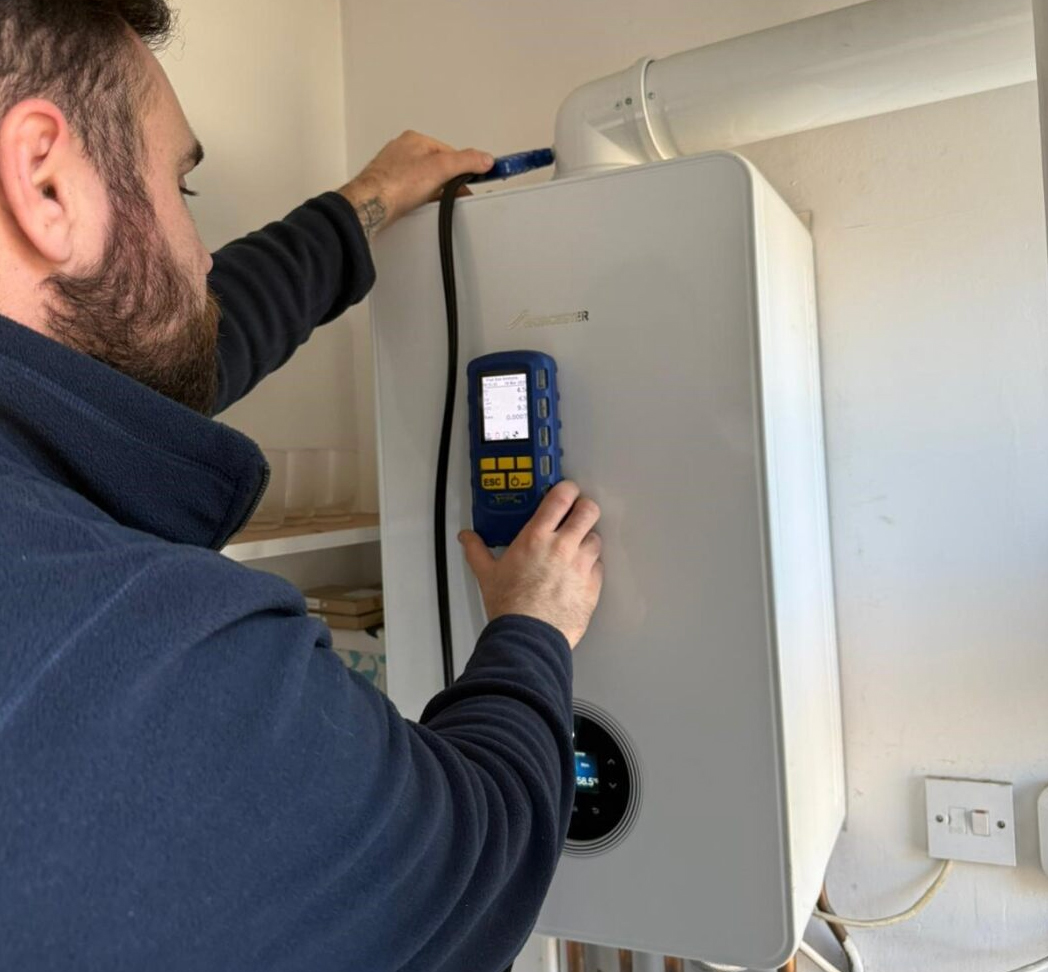
A combi boiler heats water directly from the mains rather than storing it inside a hot water tank. While combi boilers are highly energy efficient and heat water quickly, they can struggle if demand becomes too high.
This often happens when too many taps or showers are running at the same time, particularly in larger homes or properties with multiple bathrooms.
If the boiler cannot produce enough hot water, the water temperature may fluctuate and your shower can suddenly go cold fast before turning hot again.
You may notice:
- Hot and cold water cycles during showers
- Reduced water pressure
- Temperature fluctuations when another hot tap is used
- Hot water running cold unexpectedly
In some homes, upgrading to a new boiler with a higher output is the best long-term solution.
A Faulty Diverter Valve
A faulty diverter valve is one of the most frequent combi boiler faults heating engineers encounter.
The diverter valve works like a traffic controller inside the boiler, directing heat either toward the central heating system or the hot water supply. If the faulty diverter valve becomes stuck or damaged, the boiler struggles to transfer heat correctly.
As a result, you may experience:
- Hot water going cold intermittently
- Radiators heating while using hot water
- Inconsistent water temperature
- Hot and cold cycles during showers
A faulty diverter should always be inspected by gas safe registered engineers, as internal boiler repairs require specialist knowledge and safety checks.
Problems With the Plate Heat Exchanger
The plate heat exchanger is responsible for transferring heat from the boiler into the domestic hot water supply. Over time, especially in hard water areas like London, the heat exchanger can become blocked by lime scale, debris, and sediment buildup.
A blocked heat exchanger restricts water flow and prevents the boiler from heating water efficiently.
Common signs include:
- Hot water running cold
- Reduced water temperature
- Slow recovery times
- Strange noises from the boiler
- Reduced boiler efficiency
Old pipes and copper pipes can also contribute to debris circulating through the system. In many cases, a power flush or replacement heat exchanger may be needed to restore proper performance.
Installing a magnetic filter can also help reduce future build up within the heating system.
Sediment Build-Up Inside the Hot Water Tank
If your property uses a hot water cylinder or water heater tank, sediment buildup may be causing the problem.
Over time, minerals settle at the bottom of the water tank and reduce the system’s ability to heat water properly. This is particularly common in older systems and homes located in hard water areas.
When sediment builds up inside the tank, you may notice:
- Hot water runs cold quickly
- Reduced hot water temperature
- Longer heating times
- Strange rumbling noises
Regular boiler servicing and system maintenance help prevent excessive lime scale and sediment build up from damaging internal components.
Broken Heating Element or Faulty Thermostat
If you have an electric water heater, a broken heating element may prevent the system from heating enough hot water.
The heating element is responsible for warming the water inside the tank. If it fails, the system may only partially heat the water, causing your hot showers to turn cold unexpectedly.
Similarly, a faulty thermostat can cause serious temperature problems in both electric water heater systems and gas water heater systems. If the thermostat cannot regulate the desired temperature correctly, the boiler or water heater may overheat, shut down, or struggle to maintain consistent temperatures.
You may notice:
- Water going hot and cold
- Temperature fluctuations
- Water not heating properly
- Hot water running cold intermittently
Heating engineers can safely test faulty components using specialist equipment such as a continuity tester.
Frozen Condensate Pipe
A frozen condensate pipe is one of the most common winter boiler issues in the UK.
The condensate pipe removes acidic wastewater from the boiler. During freezing weather, the pipe can freeze and block the system, causing the boiler to shut down completely.
If this happens, you may experience:
- No hot water
- Boiler lockout warnings
- Gurgling sounds
- Central heating and hot water failure
This issue is particularly common during periods of very cold weather and can often be resolved safely by thawing the pipe with warm water.
Faulty Dip Tube Problems
If your home uses a traditional water heater tank, a broken dip tube or faulty dip tube could also be responsible.
The dip tube directs incoming cold water to the bottom of the tank while allowing hot water to remain at the top. If the dip tube breaks, cold water mixes too quickly with the hot supply, causing hot showers to go cold unexpectedly.
This problem is more common in ageing water heaters and older plumbing systems.
Boiler Components Wearing Out
Like any appliance, boilers naturally wear down over time. Older boilers are more likely to experience:
- Pump failure
- Faulty diverter valve problems
- Water leaks
- Corroded components
- Pressure issues
- Boiler faults
- Broken thermostats
As boilers age, they become less reliable and less energy efficient. If your boiler regularly struggles to heat water or keeps breaking down, replacing it with a modern boiler may help reduce heating costs while improving reliability and performance.
Can I Fix the Problem Myself?
There are a few safe checks homeowners can carry out before calling a heating engineer.
You can:
- Check boiler pressure
- Reset the boiler
- Check thermostat settings
- Inspect the hot water tank
- Look for visible water leak signs
- Check whether the gas supply is working
- See whether the condensate pipe has frozen
However, internal boiler repairs should never be attempted as a DIY fix. Components such as the heat exchanger, diverter valve, heating element, and gas controls should only be handled by qualified gas safe engineers.
How Regular Boiler Servicing Prevents Hot Water Problems
Regular boiler servicing is one of the best ways to prevent hot water problems before they become expensive repairs.
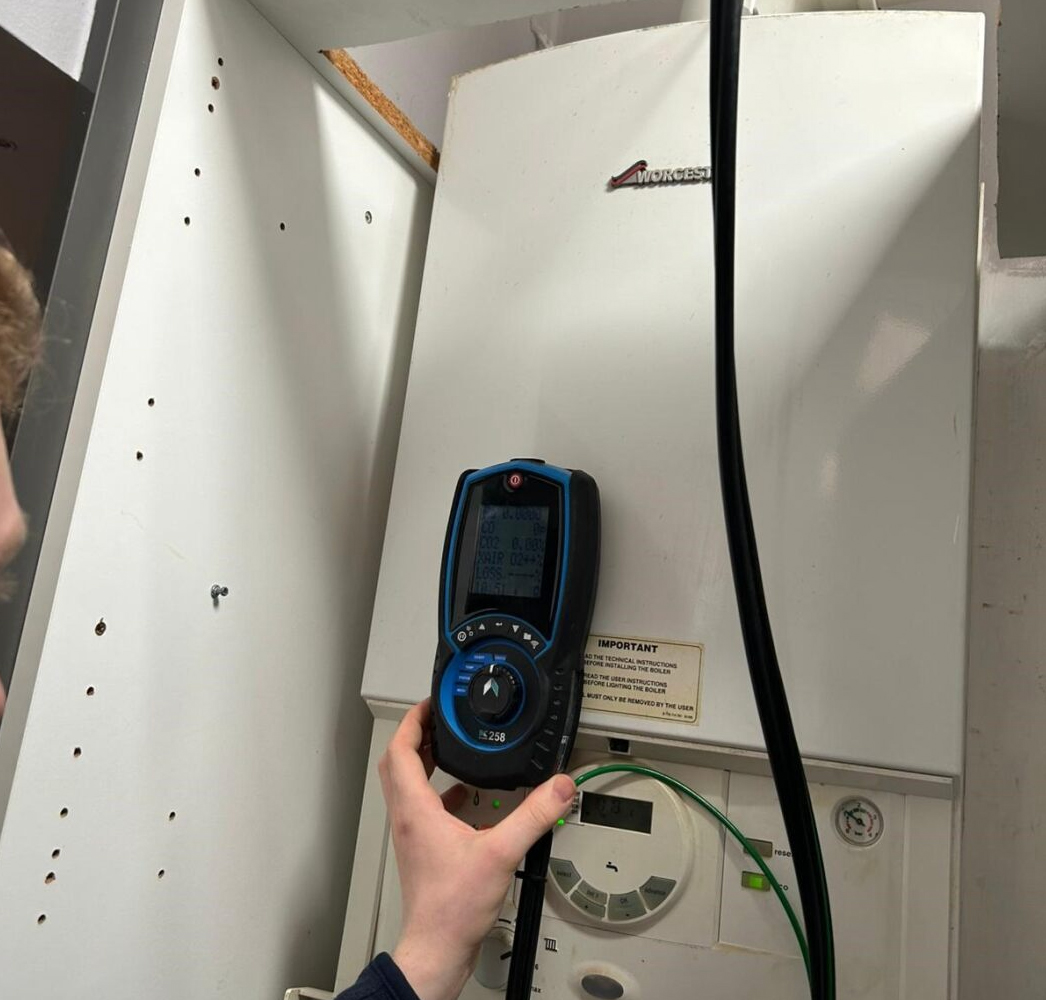
During an annual service, heating engineers will clean internal components, inspect the heat exchanger, test the heating system, and check the boiler can transfer heat efficiently throughout the property.
Regular servicing helps:
- Improve boiler efficiency
- Reduce heating bills
- Extend boiler lifespan
- Maintain reliable hot water supply
- Reduce the risk of boiler breakdowns
For most manufacturers, annual servicing is also required to maintain warranty protection.
When Should You Call a Heating Engineer?
You should contact a professional plumber or heating engineer if:
- Your hot water keeps going cold
- Your boiler repeatedly loses pressure
- You hear strange noises
- Your shower keeps running cold
- There is a water leak
- Your boiler keeps shutting down
- The water temperature constantly fluctuates
Ignoring these warning signs can often lead to larger and more expensive boiler issues later on.
Why Choose WPJ Heating?
WPJ Heating provides expert boiler repairs, boiler servicing, and heating solutions across South and West London.
Our gas safe registered engineers regularly help homeowners diagnose and repair:
- Hot water problems
- Faulty diverter valve faults
- Plate heat exchanger issues
- Boiler breakdowns
- Central heating problems
- Frozen condensate pipe faults
- Hot water cylinder issues
- Boiler efficiency problems
We work with all major boiler manufacturer brands and provide honest advice, transparent pricing, and reliable service.
Whether your system needs a small repair, a power flush, or a complete new boiler installation, our experienced team can help restore reliable hot water to your home.