

Why Is My Toilet Constantly Running, and When Should I Call a Plumber?
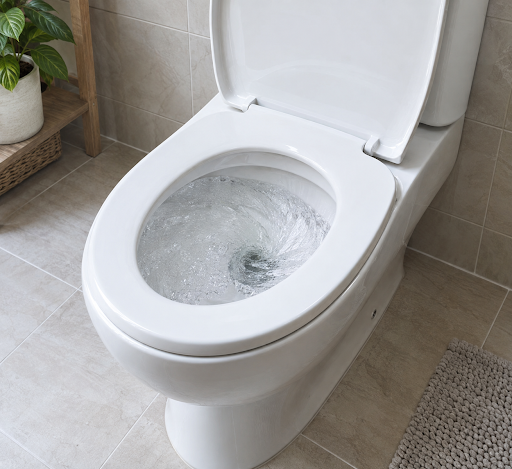
Quick Answer: If your toilet is constantly running, water is usually escaping from the cistern into the bowl or the cistern is continuing to refill when it should stop. Common causes include a faulty fill valve, an incorrectly adjusted float or a leaking flush valve. Some simple checks can help identify the problem, but persistent leaks, rising water bills or damaged components may require a professional plumber.
If your toilet is constantly running, water is usually escaping from the cistern into the bowl or the cistern is continuing to refill when it should stop. Common causes include a faulty fill valve, an incorrectly adjusted float or a leaking flush valve. This guide is for property owners, tenants and anyone dealing with a running toilet who wants to understand the cause, try a few basic checks and know when to call a plumber.
A toilet that keeps running may seem like a minor plumbing problem, especially when there is no water on the bathroom floor. However, water flowing continuously into the toilet bowl is still a leak.
Thames Water says a leaky toilet can waste an average of around 400 litres of water per day, while even a small trickle can waste up to 200 litres. If your property has a water meter, that wasted water can also increase your water bill, and a leak that is left alone can become a bigger repair issue.
Below, you’ll learn how to tell whether the fill valve, float or flush valve is causing the problem, what simple troubleshooting steps to try, when a plumber is the safer option, and whether a valve repair or full toilet replacement may be needed.
So, why does your toilet keep running, and when can you investigate it yourself?
Why Is My Toilet Constantly Running?
A toilet constantly running is usually caused by a problem inside the cistern. The fill valve controls water entering the cistern, while the flush valve controls water leaving it during a flush. If either valve fails to close properly, water can continue flowing after the cistern should have finished filling.
The precise mechanism varies between toilet designs, particularly between older cisterns and modern push-button toilets, but several faults are especially common.
A faulty fill valve
The toilet fill valve, sometimes called an inlet valve, controls the water supply entering the cistern tank.
After you flush, the water level falls and the fill valve opens. As the cistern refills, the float rises. The water should stop roughly one inch below the overflow tube. Once the correct water level is reached, the valve should close and stop the flow.
A faulty toilet fill valve may fail to shut completely. You may then hear water continuing to enter the cistern long after flushing.
A faulty or incorrectly adjusted float
The toilet float helps the fill valve determine when the cistern contains enough water.
If the float is stuck, damaged or incorrectly positioned, the valve may continue allowing water into the cistern. Excess water can then pass through the internal overflow and into the toilet bowl.
Older toilets may use a float arm and ball, whereas modern cisterns often use a compact float integrated into the inlet valve.
A leaking flush valve
The flush valve releases water from the cistern into the toilet bowl when you flush. A seal at the bottom of the mechanism should then close so the cistern can refill.
If that seal becomes worn, damaged, dirty or affected by limescale, water can slowly escape into the bowl. The falling water level causes the fill valve to open again, creating a cycle in which the toilet runs continuously.
Some toilets, particularly older designs, use a flapper-style valve. Although “toilet flapper” is common terminology online, many UK toilets use different flush-valve mechanisms.
Limescale or debris around the valve
Limescale or debris can prevent a valve or seal from sitting correctly. This can be particularly relevant in hard-water areas.
If a seal cannot close properly, even a small gap can allow water to pass from the toilet cistern into the bowl.
Why Does My Toilet Keep Running After Flushing?
If your toilet keeps running after flushing, first consider how long it continues. A toilet normally makes some noise while its cistern refills. The problem is when water continues after the cistern should be full, repeatedly starts and stops without anyone using the toilet, or visibly trickles into the bowl.
Watching and listening to what happens after a flush can provide useful clues.
If the cistern keeps filling and water reaches the overflow, the fill valve or float may be responsible. If the cistern reaches its normal level but gradually loses water into the bowl, the flush valve or its seal is more likely to be leaking.
You might also notice:
- rippling or trickling water at the back of the toilet bowl;
- the toilet intermittently refilling by itself;
- a persistent filling sound;
- a cistern that takes unusually long to fill;
- a weaker-than-normal flush; or
- water continuing to enter the bowl well after flushing.
Thames Water identifies faulty flush valves and fill valves as usual causes of leaky toilets.
How Can I Tell Which Toilet Valve Is Causing the Problem?
You can often narrow down the cause by observing the water level and where the water is moving. Water flowing into the overflow points towards a fill-valve or float problem, while a falling cistern level can indicate that the flush valve is allowing water to escape into the bowl.
Before touching internal components, make sure you understand your particular cistern design.
One straightforward check is to leave the toilet unused and watch the back of the bowl. Persistent trickling, rippling or flowing water indicates that the toilet is leaking internally.
Thames Water also suggests marking the water level inside the cistern and checking it again after ten minutes. A food coloring test can also help confirm one of the key signs of a flapper leak by showing whether water is passing into the bowl. If the level has fallen, the flush valve may be leaking. Water running into the overflow, a slow refill or an unusually weak flush can instead indicate a fill-valve problem.
If you are unsure what you are looking at, avoid dismantling components simply to find the fault.
How Can I Stop a Toilet From Running?
Simple checks may reveal an obvious obstruction or incorrectly positioned component, but you should avoid forcing, dismantling or replacing valves unless you understand the toilet and can safely isolate its water supply. If the fault is not obvious or the toilet continues leaking, professional repair is the safer solution.
Start by removing the cistern lid carefully, where the design allows it, and observing what happens after a flush.
Check whether the float moves freely and whether, as water enters through the fill valve, it stops at the expected level rather than continuing into the overflow. Look for water entering an internal overflow and check whether water continues trickling into the toilet bowl.
If there is visible debris preventing an accessible component from moving freely, it may be possible to remove it without dismantling the mechanism. However, modern concealed cisterns and push-button assemblies can be less straightforward to access.
If you need to isolate the toilet, use its local isolation valve where one is fitted and where you are confident how it operates. For a significant uncontrolled leak, the property’s main stopcock can shut off the mains water supply.
Do not force a seized valve or attempt a repair you are not confident carrying out.
When Should I Call a Plumber for a Running Toilet?
Call a plumber when the toilet continues running after basic checks, a fill or flush valve needs replacing, you cannot safely isolate the water, the cistern is concealed or difficult to access, or water is leaking outside the toilet. If the fault keeps coming back or parts are damaged, prompt professional help can prevent further damage. Recurring problems also deserve professional attention because the visible symptom may not reveal the complete fault elsewhere in the plumbing system.
Professional diagnosis is particularly sensible if:
- the toilet won’t stop running after a flush;
- the cistern repeatedly overfills;
- a fill valve, flush valve or float appears damaged;
- the toilet intermittently refills even when nobody has used it;
- water is leaking around the cistern, pipework or base of the toilet;
- something is wrong with the flush mechanism;
- a previous DIY repair has not solved the problem; or
- you cannot confidently identify or isolate the fault.
A plumber can determine whether the problem requires an adjustment, new seal, toilet fill valve replacement, flush valve replacement or another toilet repair. Professionals with hands on experience can identify the right fix and help homeowners save money by avoiding repeat issues.
For London households, WPJ Heating provides plumbing repairs across South and West London. Its plumbing services include repairing broken toilets and fixing leaks.
Is a Constantly Running Toilet a Plumbing Emergency?
A toilet running internally into the bowl is not usually the same type of emergency as a burst pipe or uncontrolled flooding, but it should still be addressed promptly. If water is escaping outside the toilet, the cistern is overflowing externally or you cannot control a substantial leak, isolate the water supply where safe and seek professional assistance, as a leak spreading beyond the toilet can cause water damage.
The distinction is important.
Water running harmlessly into the bowl gives you more time to arrange a repair, although leaving it unresolved wastes water. Water spreading onto floors, through a ceiling or towards electrical equipment presents a more immediate risk of property damage, can lead to significant water damage, and requires urgent attention.
If water appears around the base of the toilet, do not automatically assume the cistern mechanism is responsible. WPJ Heating notes that leakage around the toilet base can require the toilet to be removed so the cause can be investigated. Hidden leaks around nearby pipes or behind walls may need a professional plumber because they can be harder to trace and may present a safety risk if water reaches electrical areas.
Can a Running Toilet Increase My Water Bill?
Yes. A running toilet can substantially increase water consumption, particularly in a metered property. The amount depends on whether the leak is an occasional trickle or a continuous flow, but because the leak can continue 24 hours a day, relatively small faults can waste considerable quantities of water.
Thames Water reports that a leaky loo wastes around 400 litres per day on average and says even a small trickle can waste up to 200 litres per day.
That makes repairing a leaking toilet more than a matter of stopping an irritating noise. Fixing the fault helps reduce unnecessary water waste and can prevent avoidable increases in metered water charges.
An unexplained rise in water usage can also indicate a less obvious plumbing leak elsewhere in the property, so it should not automatically be attributed to the toilet without checking.
Does a Running Toilet Need a New Valve or a New Toilet?
Most running-toilet faults do not automatically mean that the whole toilet needs replacing. If the problem is confined to a worn seal, faulty fill valve, float or flush valve, replacing or repairing the affected component may restore normal operation.
Replacement of the complete toilet may become more sensible when the sanitaryware or cistern is damaged, suitable replacement components cannot be sourced, several parts are failing, or the toilet forms part of a wider bathroom renovation.
A plumber can inspect the cistern and explain whether a targeted valve replacement or broader repair is appropriate before recommending complete replacement.
What Does a Plumber Do to Fix a Running Toilet?
A plumber will normally identify where water is entering and escaping, check how the toilet system is operating overall, test the fill and flush mechanisms, isolate the water supply as necessary and repair or replace the defective component. The toilet should then be refilled and flushed to confirm that the valve closes correctly and no water continues leaking into or around the bowl.
Depending on the diagnosis, the plumbing job might involve adjusting a float, replacing a seal or washer, installing a new fill valve, replacing a flush valve, carrying out maintenance or repairing another part of the cistern mechanism.
Work on water fittings should comply with the Water Supply (Water Fittings) Regulations 1999, which apply in England and Wales and include requirements intended to prevent waste, misuse, undue consumption and contamination of the public water supply.
Who Is Responsible for a Running Toilet in a Rented Property?
If you are a tenant, report a persistent running or leaking toilet to your landlord or managing agent rather than carrying out significant plumbing alterations yourself. Take photographs or a short video of the problem where possible and explain whether the toilet is continuously running, intermittently refilling or leaking externally.
Landlords and property managers benefit from addressing recurring toilet leaks promptly because an unresolved fault can waste water and, where water escapes outside the toilet, potentially damage flooring or surrounding materials.
The appropriate responsibility can depend on the tenancy and circumstances, so tenants and landlords should refer to their agreement and applicable housing obligations if there is any uncertainty.
Need a Plumber for a Running Toilet in London?
A toilet that keeps running is usually telling you that water is going somewhere it should not. A faulty fill valve can prevent the cistern from shutting off, while a leaking flush valve can allow stored water to escape continuously into the bowl.
Basic observation can help you identify what is happening, but you do not need to dismantle a cistern or take the DIY route if you are unsure.
WPJ Heating provides plumbing services across South and West London, including repairs for running toilets and other common plumbing problems. A professional plumber can provide a lasting solution and help prevent further damage. If your toilet won’t stop running, is leaking after flushing or needs a replacement valve, you can contact WPJ Heating to arrange an assessment and repair.