

Is a Bathroom Fitter the Same as a Plumber?
If you’re planning a bathroom renovation or dealing with an issue in your home, you may find yourself asking: is a bathroom fitter the same as a plumber?
It’s a common question, and an important one. While both roles are closely related and often work together, they are not the same. Understanding the difference can help you hire the right professional, avoid delays, and ensure your project runs smoothly from start to finish.
In this guide, we’ll break down what plumbers and bathroom fitters do, how they differ, and what other trades may be involved in a typical bathroom project.
What Does a Plumber Do?
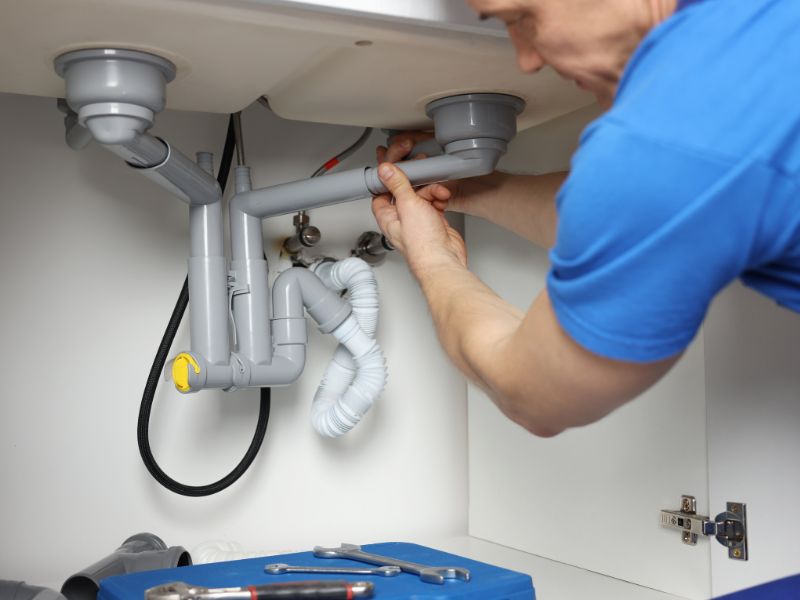
A plumber specialises in the installation, repair, and maintenance of water systems. Their work focuses on the technical side of your home’s plumbing infrastructure.
This includes:
- Installing and repairing pipework
- Connecting water supply and drainage systems
- Fixing leaks, blockages, and pressure issues
- Installing radiators, boilers, and heating systems
Plumbers ensure that water flows safely and efficiently throughout your property. Whether it’s connecting a new sink or installing pipework for a full bathroom renovation, their role is essential at the early stages of any project.
If you’re planning work that involves water systems, it’s always best to rely on professional plumbing services to ensure everything is installed correctly and meets safety standards.
What Does a Bathroom Fitter Do?
A bathroom fitter focuses on the installation and overall transformation of the bathroom space. Their role is more comprehensive and often includes coordinating multiple aspects of the project.
A bathroom fitter typically handles:
- Removing old fixtures and preparing the space
- Installing baths, showers, toilets, and sinks
- Fitting units, cabinets, and worktops
- Ensuring everything is positioned correctly according to the layout
While some bathroom fitters may have plumbing skills, their primary role is to bring the design together and manage the installation process.
For homeowners planning a full upgrade, working with a team that offers bathroom installation services can simplify the process by combining design, installation, and coordination under one roof.
Key Differences Between a Plumber and a Bathroom Fitter
Although their work overlaps, the main difference lies in their focus:
- A plumber deals with the technical systems behind the scenes, pipes, water flow, and heating.
- A bathroom fitter focuses on the visible outcome, how the bathroom looks and functions as a complete space.
In many projects, both professionals are needed. For example, a plumber may install or adjust the pipework, while the bathroom fitter installs the fixtures and completes the layout.
Other Trades Involved in Bathroom Projects
A successful bathroom renovation often involves more than just plumbers and fitters. Depending on the scope of the project, additional trades may be required to achieve a high-quality finish.
These can include:
- Electricians, for lighting, extractor fans, and power points
- Tilers, to install wall and floor tiles
- Carpenters or joiners, for custom units or storage
- Heating engineers, especially if radiators or underfloor heating are involved
Each trade plays a role in ensuring your bathroom is not only functional but also safe and visually appealing. Coordinating these professionals effectively is key to keeping your project on track.
Plumbing and Heating: Working Together
In many bathroom renovations, plumbing and heating systems go hand in hand. For example, installing a new radiator, towel rail, or underfloor heating system requires both plumbing expertise and heating knowledge.
Ensuring these systems are installed correctly can improve comfort, efficiency, and long-term reliability. Working with specialists in heating services alongside plumbing professionals ensures everything integrates properly.
The Importance of Finishing Work and Decorating
While plumbing and installation form the foundation of your bathroom, the final finish is what truly brings the space to life.
Once fixtures are installed and systems are in place, attention turns to details such as painting, sealing, and finishing surfaces. A well-decorated bathroom not only looks better but also protects surfaces from moisture and wear over time.
While plumbers and bathroom fitters handle the installation and pipework, the final finish is just as important. Working with experienced decorators helps ensure the space is completed to a high standard, with a clean, polished result that complements the rest of your home.
Do You Need a Plumber, a Bathroom Fitter, or Both?
The answer depends on the type of work you’re planning.
- For repairs or system issues (like leaks or low water pressure), you’ll need a plumber.
- For full renovations or redesigns, a bathroom fitter is usually the main point of contact.
- For larger projects, you’ll likely need both, along with other trades.
Many homeowners choose to work with companies that offer a complete service, combining plumbing, installation, and finishing work to streamline the process.
Final Thoughts
So, is a bathroom fitter the same as a plumber? Not quite.
A plumber focuses on the technical systems that keep your water flowing safely, while a bathroom fitter brings the entire space together through installation and design. Both roles are essential, and in most cases, they work side by side to deliver a successful result.
Understanding the difference helps you plan your project more effectively, choose the right professionals, and ensure your bathroom not only functions perfectly but also looks great when it’s finished.