

How Long Does It Take To Get A Boiler Fitted?
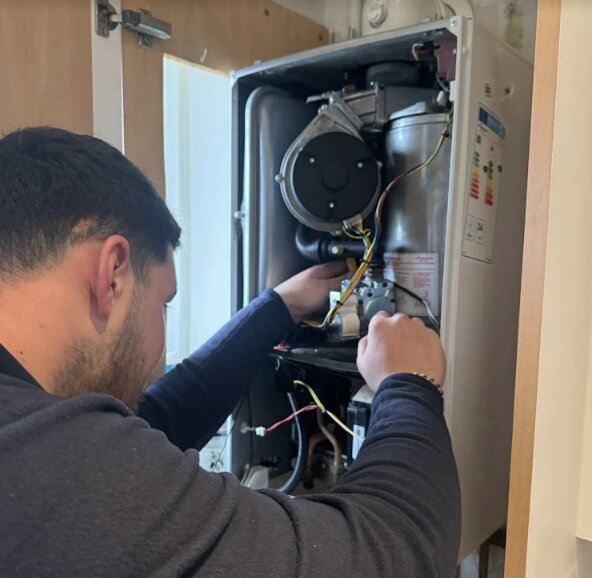
Quick Answer: A straightforward boiler swap typically takes around 4 to 8 hours, meaning your new boiler can often be installed on the same day. However, installation time varies depending on the type of boiler and the work required. Moving a boiler to a different location usually takes 1 to 2 days, while changing the boiler or fuel type can take 2 to 3 days. If you’re changing both the type and position of the boiler, the installation could take around 3 to 4 days.
If your old boiler is on its last legs, you’re probably wondering: how long does it take to get a boiler fitted?
The straightforward answer is that a straight boiler swap typically takes around 4 to 8 hours, so in many cases you can have your old boiler removed and a new boiler installed on the same day.
But that’s a straightforward swap. If you’re changing the type of boiler, moving it to a different location or converting the existing heating system, the installation can take anywhere from one to four days.
As heating engineers, we know the real concern isn’t usually whether the job takes six hours or eight. It’s how long you’ll be without heating and hot water and how much the installation will interfere with normal home life.
So, let’s look at what actually determines your boiler installation time.
How Long Does a Boiler Installation Take?
As a general guide:
- Straight swap in the same place: around 4 to 8 hours
- Completely new boiler installation: around 1 to 2 days
- Moving a boiler: around 1 to 2 days
- Changing boiler type: around 2 to 3 days
- Changing fuel type: around 2 to 3 days
- Changing both boiler type and position: around 3 to 4 days
- Converting an older system to a combi boiler: around 1 to 3 days
These aren’t fixed times. The type of boiler, condition of the existing pipework, flue requirements and amount of additional pipework can all affect how long the installation process takes.
There’s also a difference between installation time and how quickly an installer can attend. Depending on demand and availability, scheduling a boiler installation could take anywhere from a few days to several weeks.
Can You Get a New Boiler Installed in One Day?
Absolutely, and this is common when you’re having a straight swap.
Let’s say you’ve got an old combi boiler in your utility room and you’re replacing it with a new combi boiler in the same place. The fuel type isn’t changing, the existing gas pipes and heating system are suitable, and no significant structural alterations are needed.
That could take roughly 4 to 8 hours.
The engineer still needs to remove the old model, install the new boiler, make the necessary connections and carry out the appropriate safety checks and commissioning.
So although the physical installation might only take a few hours, we wouldn’t recommend choosing an installer purely because they promise to get out of the door faster.
Getting your boiler fitted correctly matters much more than saving half an hour.
What Happens During the Boiler Installation Process?
Knowing what’s actually involved makes those installation times much easier to understand.
Removing Your Existing Boiler
First, the engineer needs to safely isolate and remove the existing boiler.
With a simple like-for-like replacement, this can be relatively straightforward. An old system, however, may reveal ageing pipework or other problems that need attention before the new boiler system is connected.
Preparing the Heating System
The condition of your central heating system matters.
Existing radiators, valves and pipework may need to be checked, and some systems may benefit from cleaning or other preparation. Depending on its condition and the manufacturer’s requirements, this could involve measures such as power flushing or fitting magnetic boiler filters to help protect the new system.
Older systems can also present pipe-sizing or routing issues, meaning new pipework or wider pipe runs may be required.
Fitting the New Boiler
The engineer can then fit the new boiler and connect the appropriate heating, water, gas and electric supplies.
Depending on the installation, this could include:
- New or altered gas pipes
- New brackets
- Additional pipework
- Changes to the flue
- Condensate pipework
- Electrical connections
- Heating controls or smart controls
Every installation is different, which is why we’d always want a few details about your existing system before telling you exactly how long it’ll take.
Safety Checks and Commissioning
Once the boiler is installed, the job isn’t finished.
Safety checks and commissioning are essential parts of the boiler installation process. For gas appliances, the work needs to be completed by an appropriately qualified Gas Safe registered engineer.
Your engineer should also make sure the system is working correctly and explain how to use your new boiler and controls before leaving.
How Long Does a Straight Boiler Swap Take?
If you’re replacing a boiler with the same type in the same place, this is usually the quickest installation.
Allow roughly 4 to 8 hours, although some particularly straightforward installations may be completed towards the lower end of that range.
For example, replacing an old combi boiler with a suitable new combi boiler without changing its location can often be completed within one working day.
However, “straight swap” doesn’t mean skipping important checks.
Your engineer still needs to assess the existing gas supply, water pressure, pipework, flue arrangement and heating system before the new boiler can be commissioned.
How Long Does Moving a Boiler Take?
Moving the boiler to a different location generally increases the installation time to around 1 to 2 days.
That’s because you’re no longer simply replacing one appliance with another.
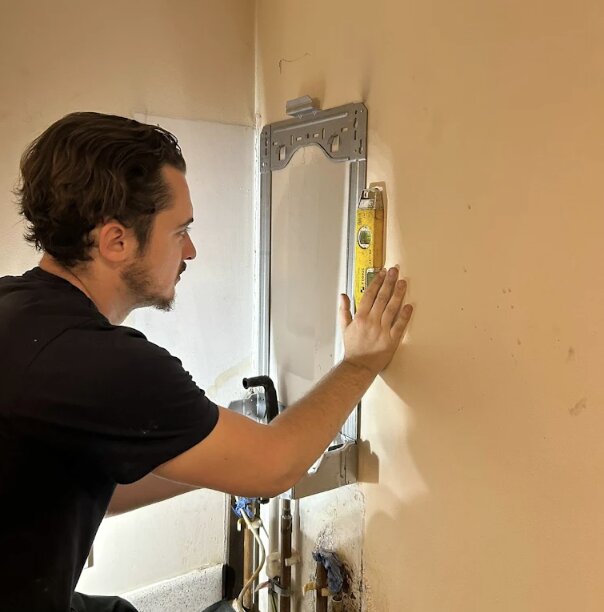
If you move a boiler from the kitchen into a utility room, for example, the engineer may need to install new pipework, reroute the gas supply, change the flue position and alter water and heating connections.
Depending on the property, boiler relocation can add around half a day or more compared with a straightforward replacement.
Structural work can also be necessary. Running pipes through brick walls or across longer distances takes more time than using existing connections.
The further you move the boiler, the more likely it is that you’ll need extra pipework and more complicated pipe runs.
How Long Does Changing Boiler Type Take?
Changing the type of boiler usually takes around 2 to 3 days, depending on the existing system and the boiler you’re moving to.
One common example is changing from a system or conventional boiler to a combi boiler.
A system boiler works differently from a combi and is commonly paired with a separate hot water cylinder. Older conventional systems can also have a cold water tank as part of the arrangement.
A combi boiler, by contrast, provides heating and hot water without a separate hot water cylinder.
Removing redundant components and changing the associated pipework makes this a much larger job than simply having another combi boiler installed in the same position.
A conversion from an older boiler system to a combi typically takes somewhere around 1 to 3 days, while changing from a system boiler to a combi boiler may take around two days in suitable circumstances.
Going the other way can also involve considerably more pipework. The right solution depends on the property, household hot water demand and existing central heating arrangement.
Does Changing Fuel Type Take Longer?
Yes. If you’re changing the fuel type, allow roughly 2 to 3 days as a general estimate.
This isn’t a straight swap because the requirements for the new heating system can be very different.
For example, moving between a gas boiler and an electric boiler can mean changes to the property’s services and associated infrastructure.
That’s why both the type of boiler and its fuel type need to be considered when estimating installation time.
What If There Isn’t an Existing Boiler?
Installing a completely new boiler without an existing boiler system generally takes around 1 to 2 days, although the wider heating installation can take longer if the property also needs new radiators, extensive new pipework or other central heating components.
There’s simply more work involved than removing one boiler and putting another in its place.
If you’re installing an entirely new central heating system, the timescale should therefore be assessed separately from the boiler itself.
What Else Can Make a Boiler Installation Take Longer?
We’ve focused on the big factors, but several smaller details can affect the final timeframe.
Existing Pipework
Old or unsuitable pipework can create extra work.
If new pipework, larger pipes or different pipe runs are needed, expect the installation to take longer.
Flue Requirements
Your boiler’s flue needs to comply with the applicable installation requirements and Building Regulations.
Moving the boiler or changing the appliance can require a new flue arrangement, potentially adding to the work.
Water Pressure
The property’s water pressure and flow rate can influence which boiler system is appropriate, particularly when considering a combi boiler.
This is another reason why we’d avoid recommending a particular boiler until the property and existing system have been properly assessed.
New Radiators and Controls
Adding new radiators or upgrading to smart controls alongside the boiler naturally increases the amount of work.
These additions can be worth considering while the heating system is already being worked on, but they should be included when estimating the overall installation time.
Will I Be Without Heating and Hot Water?
For at least part of the installation, yes.
During a straightforward same-day replacement, your heating and hot water will normally be unavailable while the old boiler is disconnected and the new one is being fitted.
If you’re worried about disruption, one practical option is to install a new boiler during the summer months. Losing your heating for a few hours is generally far less noticeable in July than in the middle of a cold January.
Of course, boilers don’t always give us the courtesy of breaking down at a convenient time.
If replacement can’t wait, tell your engineer about young children, elderly relatives or anyone vulnerable living at the property so they can explain what disruption to expect.
Does My Boiler Need to Be Installed by a Gas Safe Engineer?
If you’re having gas boiler work carried out, you should use an appropriately qualified Gas Safe registered engineer.
A new or replacement boiler installation may also fall within Building Regulations requirements, and the flue and associated work must comply with the applicable rules.
Don’t view these checks as unnecessary delays. Safety checks, commissioning and compliance are essential parts of getting a boiler installed properly.
When comparing installers, we’d focus on the quality and suitability of the proposed installation rather than simply choosing whoever promises to fit a boiler fastest.
Should I Choose an A-Rated Boiler?
Efficiency is certainly worth discussing when you’re replacing an old boiler, but the efficiency rating isn’t the only consideration.
The right new boiler needs to suit your property, heating requirements and hot water demand.
An appropriately specified A-rated boiler, suitable controls and a properly designed heating system can all contribute to efficient operation. But even a good boiler needs to be correctly sized and installed.
The goal isn’t simply to buy the newest boiler. It’s to create the right heating system for your home.
How Can I Make My Boiler Installation Easier?
A bit of preparation can save time on installation day.
Clear the area around the existing boiler, make sure the engineer can reach radiators and controls, and move anything fragile away from the work area.
It’s also worth discussing parking and access beforehand, particularly for London properties where carrying equipment between a van and the property can sometimes be more challenging than expected.
Before accepting a quote, ask what is actually included. A fixed price quote should make clear what work is being allowed for, particularly where additional pipework, controls or system alterations are required.
That way, “fixed price” means something useful rather than leaving you guessing about extras later.
So, How Long Does It Take To Get A Boiler Fitted?
For a straightforward boiler replacement in the same place, expect roughly 4 to 8 hours.
Move the boiler and you’re generally looking at 1 to 2 days. Change boiler type or fuel type and the project may take 2 to 3 days. Change both the type and position and it could take around 3 to 4 days.
The important thing to remember is that these are typical times rather than guarantees. Your installation can vary depending on the boiler, existing heating system, pipework, flue, property layout and any additional work required.
At WPJ Heating, we’d always recommend having the job properly assessed rather than choosing your new boiler based purely on how quickly somebody says they can install it.
If you’re thinking about replacing your boiler, speak to WPJ Heating about your existing system and what you need from your new one. Once we understand the property and the work involved, we can give you a much clearer idea of what your installation should involve.
Because when it comes to your heating and hot water, getting the installation right matters more than simply getting it done quickly.