
Common Requirements for Installing a New Boiler
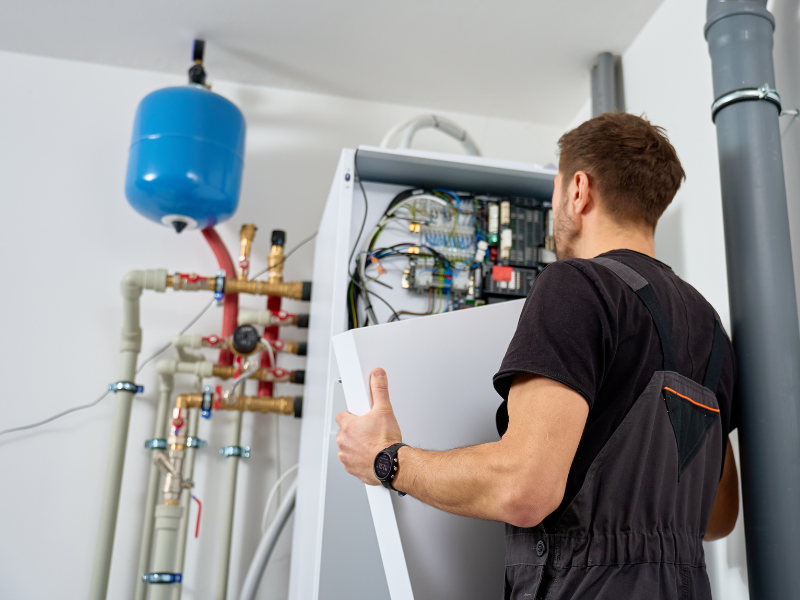
Installing a new boiler is one of the most important upgrades you can make to your home’s heating system. Whether you are replacing an outdated unit or installing a system for the first time, there are several essential requirements that must be carefully considered. A boiler installation is not simply about fitting a new appliance, it involves a combination of gas supply, pipework, ventilation, electrical connections, and system design.
Understanding these requirements helps ensure that your new boiler operates safely, efficiently, and in compliance with UK regulations. It also allows you to plan your installation properly and avoid unexpected complications.
Choosing the Right Boiler System
Before any installation begins, selecting the correct type of boiler is crucial. The three main options in the UK are combi, system, and regular boilers, each with its own requirements and suitability depending on the property.
Combi boilers are a popular choice for smaller homes as they provide hot water on demand without the need for a storage tank. This makes them compact and efficient, but they rely heavily on good water pressure.
System boilers, on the other hand, use a separate hot water cylinder. They are ideal for homes with higher hot water demand, such as those with multiple bathrooms. While they require more space than combi boilers, they offer consistent performance.
Regular boilers (also known as conventional boilers) are typically found in older properties. They require both a hot water cylinder and a cold water storage tank, making them suitable for homes with traditional heating systems.
Choosing the right system ensures that your installation meets your household’s needs while working efficiently with your existing infrastructure. If you’re unsure which option is best, consulting professionals offering heating services can help guide your decision.
Gas Supply Requirements
A safe and adequate gas supply is one of the most critical aspects of any boiler installation. Boilers rely on a consistent flow of gas to operate effectively, and any issues with supply can impact both performance and safety.
The gas pipe supplying the boiler must be correctly sized to deliver the required pressure. Undersized pipes can lead to reduced efficiency and may cause the boiler to shut down or operate incorrectly.
In some cases, particularly when upgrading to a more powerful boiler, the existing gas supply may need to be upgraded. This involves assessing the current pipework and, if necessary, installing larger pipes to meet demand.
All work involving gas must be carried out by a Gas Safe registered engineer. This ensures that the installation complies with safety regulations and reduces the risk of leaks or other hazards.
Pipework and System Connections
Pipework is another essential component of a boiler installation. This includes both the central heating pipes that distribute hot water throughout the home and the connections to radiators, cylinders, and other system elements.
During installation, it is important to ensure that all pipework is properly sized, routed, and insulated. Poorly designed pipework can lead to heat loss, reduced efficiency, and uneven heating.
Older systems may also require upgrades or modifications. For example, sludge and debris in existing pipes can affect performance and damage the new boiler. Power flushing or chemical cleaning is often recommended before installation to ensure the system is clean.
Professional plumbing services play a key role in ensuring that pipework is correctly installed and optimised for long-term performance.
Flue Requirements and Ventilation
The flue is a vital part of any boiler system, responsible for safely removing waste gases from the property. Proper flue installation is essential for both safety and efficiency.
Flues must be positioned in accordance with strict regulations, ensuring that harmful gases are safely expelled away from windows, doors, and neighbouring properties. The type of flue required will depend on the boiler model and the layout of your home.
In addition to flue placement, adequate ventilation is also important. Boilers require a sufficient supply of air for combustion, and poor ventilation can lead to incomplete burning of fuel and the production of dangerous gases such as carbon monoxide.
A qualified installer will assess your property to determine the most suitable flue configuration and ensure that all safety requirements are met.
Electrical Requirements
Modern boilers rely on electrical components for controls, ignition systems, pumps, and safety features. As a result, proper electrical connections are a key part of the installation process.
A boiler typically requires a dedicated power supply, often connected via a fused spur. This provides a safe and reliable electrical connection while protecting the system from faults.
Additional components such as thermostats, timers, and smart controls also require wiring and configuration. These systems help improve efficiency and allow for better control over heating and hot water.
Modern boiler installations often require electrical connections for controls, thermostats, and safety systems. It’s important to work with qualified electricians who can ensure that all wiring is installed safely and in compliance with current regulations.
Ensuring that the electrical system is properly set up not only supports the performance of the boiler but also enhances overall safety.
Condensate Drainage
Condensing boilers produce condensate as part of their operation. This liquid must be safely drained away from the boiler, typically through a pipe connected to a household drainage system.
The condensate pipe must be correctly installed to prevent freezing, particularly in colder months. Frozen pipes can cause the boiler to shut down, leading to inconvenience and potential damage.
Proper routing and insulation of the condensate pipe are essential to ensure reliable operation throughout the year.
System Pressure and Water Quality
Maintaining the correct system pressure is vital for efficient boiler operation. Pressure that is too low can prevent the system from functioning properly, while excessively high pressure can strain components.
Water quality is another important consideration. Impurities in the system can lead to corrosion and reduced efficiency. Installing filters or inhibitors can help protect the boiler and extend its lifespan.
These measures are often included as part of a comprehensive installation service, ensuring that the system is set up for optimal performance from the outset.
Location and Accessibility
The location of the boiler within the property also plays a role in the installation process. Boilers can be installed in various locations, including kitchens, utility rooms, lofts, or cupboards.
Wherever the boiler is placed, it must be accessible for maintenance and servicing. Adequate clearance around the unit is required to allow engineers to carry out inspections and repairs.
The chosen location should also support proper flue routing, ventilation, and drainage, ensuring that all components work together effectively.
Testing and Certification
Once the installation is complete, thorough testing is carried out to ensure that the system is operating correctly. This includes checking gas pressure, verifying electrical connections, and confirming that all safety features are functioning as intended.
Certification is a crucial part of the process. The installer will provide documentation confirming that the work meets all relevant standards and regulations. This is important for both safety and future property transactions.
If you’re planning a new system, working with professionals offering boiler installation services ensures that all aspects of the process are handled correctly from start to finish.
Final Thoughts
Installing a new boiler involves much more than simply replacing an old unit. It requires careful consideration of gas supply, pipework, flue positioning, electrical connections, and overall system design.
By understanding these common requirements, you can approach your installation with confidence and ensure that every element is properly addressed. Working with experienced professionals and prioritising quality workmanship will help you achieve a safe, efficient, and long-lasting heating system.
Taking the time to get the installation right not only improves performance but also provides peace of mind, knowing that your home’s heating system is reliable and fully compliant with current standards.