

Essential Plumbing Considerations for a New Kitchen Installation
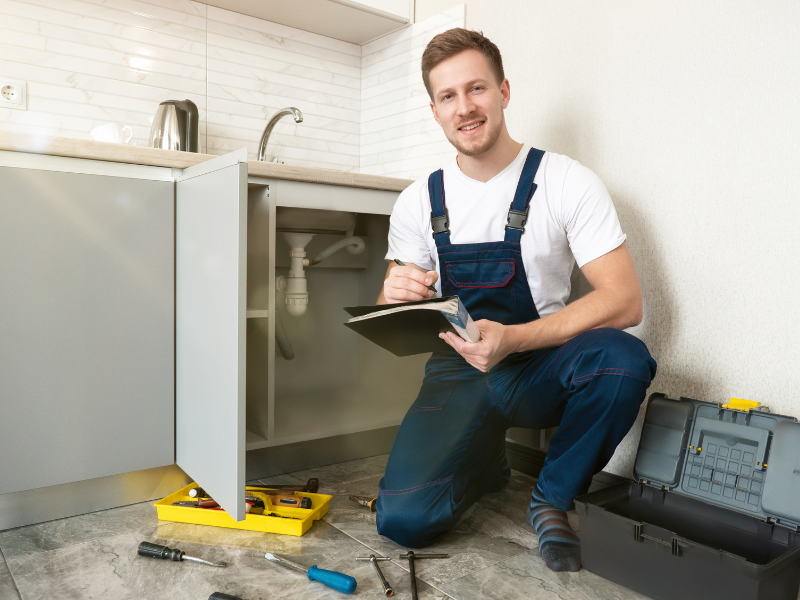
A new kitchen installation is one of the most impactful upgrades you can make to your home. It transforms not only the look of your space but also how efficiently it functions on a daily basis. While much of the attention is often given to cabinetry, worktops, and appliances, the plumbing behind the scenes plays a crucial role in ensuring everything works seamlessly.
From water supply and drainage to appliance connections and pressure management, getting the plumbing right is essential for a successful kitchen installation. Poor planning or substandard work can lead to leaks, blockages, and costly repairs down the line.
In this guide, we’ll explore the key plumbing considerations you need to keep in mind when planning a new kitchen.
Planning the Plumbing Layout
Before any installation begins, it is vital to carefully plan the plumbing layout. This involves determining where your sink, dishwasher, washing machine, and other water-dependent appliances will be positioned.
Relocating these elements can significantly improve the functionality of your kitchen, but it also requires adjustments to the existing pipework. Extending or rerouting pipes must be done correctly to maintain water pressure and ensure proper drainage.
Professional input at this stage is invaluable. Experienced plumbers can assess your current system and recommend the most efficient layout, helping you avoid unnecessary complications during installation.
If you’re undertaking a full renovation, it’s often worth reviewing your entire plumbing system. Services such as plumbing services can help ensure your setup is both practical and compliant with current standards.
Water Supply and Pipework
A reliable water supply is fundamental to any kitchen. During installation, both hot and cold water lines need to be properly connected and positioned to serve all fixtures and appliances.
Older properties may have outdated pipework that is prone to corrosion or reduced flow. Upgrading to modern materials such as copper or plastic piping can improve performance and longevity.
It’s also important to consider pipe sizing. Pipes that are too narrow can restrict water flow, while incorrectly installed pipes can lead to noise, vibration, or leaks.
Careful installation ensures that water is delivered efficiently to taps and appliances without compromising pressure or reliability.
Sink Installation and Positioning
The kitchen sink is one of the most frequently used features in any home, making its installation particularly important. The position of the sink affects not only the plumbing but also the overall usability of the space.
When installing a sink, several factors need to be considered:
- Alignment with existing pipework
- Adequate space for waste pipes and traps
- Proper sealing to prevent leaks
- Accessibility for maintenance
Incorrect installation can lead to persistent issues such as leaks under the sink or slow drainage. Ensuring that the sink is fitted securely and connected properly is essential for long-term performance.
Drainage and Waste Systems
Effective drainage is just as important as a reliable water supply. Poorly designed waste systems can result in slow draining sinks, unpleasant odours, and frequent blockages.
One of the key considerations is the gradient of the waste pipes. These must be angled correctly to allow water and waste to flow freely. If the gradient is too shallow, waste can accumulate and cause blockages. If it is too steep, water may flow too quickly, leaving solids behind.
Ventilation is another important aspect. Properly vented systems prevent airlocks and ensure smooth drainage.
During a kitchen installation, it is also essential to use high-quality traps and fittings. These components help prevent odours from entering the home and make maintenance easier.
Connecting Kitchen Appliances
Modern kitchens often include a range of appliances that require intelligent kitchen plumbing connections, such as dishwashers, washing machines, and fridge freezers with water dispensers.
Each appliance must be connected safely and securely to both the water supply and drainage system. This involves:
- Installing isolation valves for easy maintenance
- Ensuring proper sealing of connections
- Positioning hoses to prevent kinks or damage
- Providing adequate drainage capacity
Incorrect connections can lead to leaks, flooding, or appliance malfunction. Professional installation ensures that all appliances operate efficiently and safely.
If your kitchen upgrade is part of a wider home improvement project, you may also want to explore options such as boiler installation to support increased demand on your hot water system.
Managing Water Pressure
Water pressure is a critical factor in the performance of your kitchen plumbing. Low pressure can make everyday tasks frustrating, while excessively high pressure can strain pipes and fittings.
When installing a new kitchen, it’s important to assess whether your existing system can handle the demand. Adding multiple appliances or upgrading fixtures may require adjustments to maintain consistent pressure.
Solutions can include installing pressure regulators, upgrading pipework, or improving the overall system design. Addressing these issues during installation helps ensure a smooth and efficient setup.
Leak Prevention and Waterproofing
Leaks are one of the most common problems associated with kitchen installations. Even a small leak can cause significant damage over time, affecting cabinetry, flooring, and surrounding structures.
Preventing leaks involves careful attention to detail during installation. This includes:
- Proper sealing around sinks and fixtures
- Secure pipe connections
- High-quality fittings and materials
- Thorough testing before completion
Waterproofing is particularly important in areas around the sink and appliances. Ensuring that these areas are well protected can help prevent long-term damage and costly repairs.
Compliance with UK Regulations
All plumbing work in the UK must comply with relevant building regulations. These standards are designed to ensure safety, efficiency, and environmental responsibility.
Key areas of compliance include:
- Proper waste disposal systems
- Safe water supply connections
- Backflow prevention
- Adequate ventilation
Working with qualified professionals ensures that your kitchen installation meets all legal requirements. This not only protects your home but also provides peace of mind for future property transactions.
Working with Other Trades
A successful kitchen installation relies on effective collaboration between different trades. Plumbers, electricians, and kitchen fitters all play a role in bringing the project together.
Coordination is particularly important when it comes to plumbing. For example, pipework must be installed at the correct stage to align with cabinetry and appliance placement. Delays or miscommunication can lead to costly adjustments or compromised results.
Working with experienced kitchen installation specialists ensures that all aspects of the project are properly aligned. When trades work together seamlessly, the result is a kitchen that is not only visually appealing but also highly functional.
Upgrading Your Heating System
In some cases, a new kitchen installation may place additional demand on your home’s heating and hot water system. This is especially true if you are adding appliances or upgrading to more advanced fixtures.
Ensuring that your system can handle this demand is essential. If necessary, upgrading your heating setup can improve efficiency and performance.
Exploring options such as heating services can help you determine whether any improvements are needed to support your new kitchen.
Final Thoughts
A new kitchen installation is an exciting project, but it requires careful planning and attention to detail, especially when it comes to plumbing. From water supply and drainage to appliance connections and pressure management, every element must be considered to ensure a reliable and efficient system.
By working with experienced professionals and prioritising quality workmanship, you can avoid common pitfalls and enjoy a kitchen that performs as well as it looks.
Taking the time to get the plumbing right from the start not only protects your investment but also ensures that your new kitchen remains functional and trouble-free for years to come.