

Gas Boiler vs Heat Pump: Which Heating System Is Best?
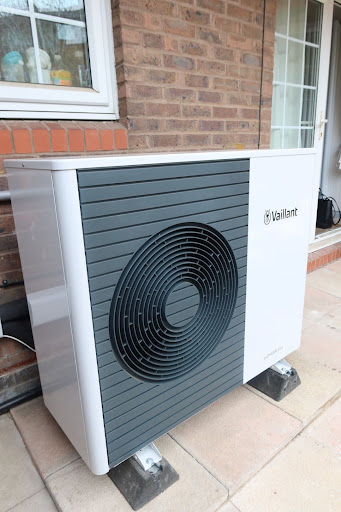
Quick Answer: A heat pump is generally the better choice for energy efficiency and reducing heating-related carbon emissions, provided the system is correctly designed for your property. A gas boiler can be more practical if lower upfront cost, limited space or major heating-system alterations are concerns. However, the best option depends on your home’s heat loss, existing heating system, energy tariffs and budget.
If you are comparing a gas boiler vs heat pump, neither system is automatically the best choice for every home. A modern gas boiler usually costs less to install and provides familiar, responsive heating, while an air source heat pump can provide highly efficient, lower-carbon heating and may qualify for government funding. The right choice depends on your property, heating system, budget and energy use.
For homeowners and landlords in London, property type matters particularly. A modern flat, Victorian terrace and large detached house can have very different heat losses, radiator requirements and options for locating an outdoor heat pump unit.
Here is how the two systems compare.
Gas Boiler vs Heat Pump: Which Is Better?
A heat pump is generally the stronger option for energy efficiency and reducing heating-related carbon emissions, provided the system is correctly designed for the property. A gas boiler can remain the more practical choice where installation budget, space or major heating-system alterations are constraints. Running costs require a more detailed comparison because electricity costs more per kWh than gas.
A modern gas boiler burns natural gas and transfers the resulting heat to water circulating through radiators or underfloor heating. A combi boiler can also produce hot water on demand without requiring a separate cylinder.
An air-to-water heat pump works differently. Rather than generating all its heat directly, it extracts heat energy from outside air and transfers it into the home’s heating and hot-water system.
This fundamental difference explains why heat pumps can achieve much higher efficiency figures than combustion boilers.
Quick comparison
| Factor | Gas boiler | Air source heat pump |
| Upfront installation | Usually lower | Usually higher before grants |
| Energy efficiency | High for a modern condensing boiler | Significantly higher when correctly designed |
| Fuel | Natural gas | Electricity |
| Hot water | Can be instantaneous with a combi | Usually requires stored hot water |
| Outdoor unit | No | Yes |
| Radiator changes | Often unnecessary on a like-for-like replacement | May be required |
| Carbon impact | Burns a fossil fuel | Lower-carbon heating |
| Government grant | Generally no BUS grant | Eligible installations may receive BUS funding |
| Best suited to | Homes wanting a straightforward replacement | Suitable homes prioritising efficiency and lower-carbon heating |
How Much Does a Gas Boiler vs Heat Pump Cost to Install?
A heat pump normally has the higher headline installation cost, although government funding can substantially reduce the difference. Energy Saving Trust currently estimates a typical air source heat pump installation at around £12,000, while its indicative cost for replacing a gas boiler is around £3,500. Actual quotations depend heavily on the property and scope of work.
Heat pump installation cost can increase where the project requires larger radiators, a new hot-water cylinder, electrical work, changes to pipework or improvements elsewhere in the heating system.
The size and heat loss of the property also influence the heat pump specification. A detailed heat-loss calculation should therefore come before equipment selection rather than choosing a unit based simply on the number of bedrooms.
A gas boiler replacement can similarly become more involved if the boiler is being relocated, the flue needs changing, old pipework requires attention or the property is changing from a conventional or system boiler to a combi.
For London homes, access, property layout, existing services and limited space can all affect installation complexity.
Can you get the £7,500 heat pump grant?
Eligible property owners in England and Wales can currently receive £7,500 towards an air-to-water heat pump through the Boiler Upgrade Scheme (BUS). The scheme is installer-led, and the installer must be MCS certified.
Some eligible off-gas-grid properties replacing oil or LPG heating can currently receive £9,000 instead, subject to the scheme rules and applicable dates.
This funding can make the net cost of replacing a gas boiler with a heat pump significantly more competitive, but eligibility should be confirmed before relying on the grant in your budget.
Are Heat Pumps Cheaper to Run Than Gas Boilers?
Not necessarily. Heat pumps use energy much more efficiently than gas boilers, but electricity costs considerably more per kWh than mains gas. Consequently, heat pump vs gas boiler running costs depend on the heat pump’s seasonal efficiency, electricity tariff, gas tariff, heat demand and whether you can remove the gas standing charge altogether.
Under Ofgem’s price cap for 1 October to 31 December 2026, average Direct Debit unit rates are 26.32p/kWh for electricity and 7.97p/kWh for gas.
A simple comparison of fuel prices is misleading, however, because a heat pump can deliver several kWh of heat for each kWh of electricity consumed.
Energy Saving Trust notes that heat pumps on standard electricity tariffs can cost slightly more to run than a newer gas boiler. Its latest analysis also indicates that appropriate specialist or time-of-use heat-pump tariffs can change the calculation significantly.
That means claims such as “a heat pump will halve your bills” should be treated cautiously. A useful heat pump vs boiler cost-per-year comparison needs the property’s estimated annual heat demand and the proposed system’s expected seasonal performance.
If the gas supply can be disconnected after installation, the household can also stop paying the gas standing charge.
Which Is More Efficient: a Heat Pump or Gas Boiler?
A heat pump is substantially more efficient at converting purchased energy into useful heat because it moves existing heat rather than creating it entirely through combustion. Its real-world performance, however, depends heavily on system design, flow temperature, controls, radiator sizing and the building’s heat loss.
Heat pump efficiency is commonly described using its coefficient of performance (COP) and seasonal coefficient of performance (SCOP).
For example, a COP of 3 means that, under those operating conditions, the heat pump delivers roughly 3kWh of heat for every 1kWh of electricity consumed.
A boiler cannot achieve the same relationship because its useful heat comes from burning fuel. Even a high-efficiency condensing gas boiler loses some energy during operation.
This is why heat pump efficiency vs gas boiler efficiency and running cost should not be treated as the same question.
Lower flow temperatures are particularly important for heat pumps. Larger radiators or underfloor heating can deliver the required room heat at lower water temperatures, helping the heat pump operate efficiently.
Will a Heat Pump Keep a Home Warm in Winter?
Yes, a correctly designed heat pump can heat a UK home during winter. The important factor is whether the complete heating system has been sized for the property’s heat loss at cold outdoor temperatures. Heat pumps typically provide steadier, longer periods of heating rather than the short bursts of very hot radiator output people may associate with a gas boiler.
This creates a different style of comfort.
A gas boiler can supply high-temperature water to radiators and respond quickly when heating is turned on. Heat pumps generally perform best when maintaining a more consistent indoor temperature using lower flow temperatures.
For homeowners changing from a boiler, this can require a change in how the heating controls are used. Constantly switching a heat pump on and off or demanding unnecessarily high flow temperatures can reduce efficiency.
What Happens to Hot Water When You Replace a Combi Boiler With a Heat Pump?
Most air-to-water heat pump installations use a hot-water cylinder, so replacing a combi boiler can require finding indoor space for stored hot water. This can be an important consideration in London flats and smaller terraced properties where cupboards and utility space are limited.
A combi boiler heats mains water as required and therefore offers instant hot water without a storage cylinder.
A typical air-to-water heat pump instead heats water stored in a cylinder for baths, showers and taps. The cylinder and controls need to be sized around household demand.
This is one reason why comparing a heat pump vs combi boiler should involve more than comparing the two appliances. The whole heating and hot-water system needs consideration.
Is My London Home Suitable for an Air Source Heat Pump?
Many London properties can use an air source heat pump, including older homes, but suitability needs to be assessed individually. Available outdoor space, heat loss, insulation, radiator sizes, hot-water storage, electrical capacity, noise requirements and planning constraints can all influence whether a heat pump is practical.
Older properties are not automatically unsuitable.
A Victorian house, for example, may have higher heat loss than a modern home, but that does not by itself rule out heat-pump technology. The installer needs to establish how much heat each room loses and whether the proposed emitters can replace that heat efficiently.
For a terraced house, the outdoor unit needs a suitable position with adequate airflow. Flats can be more challenging because ownership boundaries, leases, outdoor space and permissions may restrict possible locations.
Planning rules have become more flexible in England. Many domestic air source heat pumps can be installed as permitted development if the relevant conditions are met, although listed buildings, conservation areas and particular installations can require additional consideration.
For areas such as Battersea, Wandsworth, Putney, Clapham, Fulham, Chelsea, Wimbledon and Richmond, assessing the actual building is therefore more useful than applying a general rule based on postcode or property age.
Do You Need New Radiators or Better Insulation for a Heat Pump?
Not every heat pump installation requires every radiator to be replaced, and a home does not need to be perfectly insulated before a heat pump can work. However, reducing heat loss and correctly sizing radiators can allow the system to operate at lower flow temperatures, improving efficiency and comfort.
A room-by-room heat-loss calculation establishes how much heat each space needs.
The installer can then compare that requirement with the output available from each existing radiator at the proposed flow temperature. Some radiators may already be adequate; others may need to be larger.
Underfloor heating can work particularly well with heat pumps because its large surface area can deliver comfortable room temperatures using relatively low-temperature water.
Insulation is similarly valuable because reducing heat loss lowers the amount of heat the heating system needs to replace. This can potentially reduce required heat-pump output and energy consumption.
The important principle is design before equipment selection.
What Are the Advantages and Disadvantages of Each System?
For many households, the main gas boiler advantages are lower upfront replacement costs, compact combi options, familiar controls and rapid heating and hot-water performance. Existing radiators and pipework may also require fewer alterations during a straightforward boiler replacement.
The disadvantages include continued dependence on natural gas, combustion-related carbon emissions and lower energy efficiency compared with a well-performing heat pump.
The main heat pump advantages are high energy efficiency, lower-carbon heating and access to government incentives for eligible installations. Heat pumps also work particularly well with correctly sized radiators or underfloor heating and can form part of a wider low-carbon home-energy strategy.
Potential disadvantages include a higher gross installation cost, the need for an outdoor unit, possible radiator upgrades and, for most air-to-water installations, space for a hot-water cylinder.
Which System Requires More Maintenance?
Both systems benefit from regular professional maintenance. Gas boilers require appropriate gas-safety and combustion checks, while heat pumps need their own servicing and system checks. Maintenance costs depend on the equipment, manufacturer and service arrangement, so they should be included when comparing lifetime rather than installation cost alone.
A gas boiler should be serviced by a Gas Safe registered engineer.
Heat-pump maintenance can include checking system pressures, filters, controls, outdoor-unit condition and overall system performance in accordance with manufacturer requirements.
Equipment lifespan also depends on product quality, installation, operating conditions and proper maintenance. For that reason, comparing heat pump vs boiler lifetime cost should include installation, energy use, servicing, repairs and likely replacement periods rather than relying on a single purchase price.
What Has the Lower Carbon Footprint?
An air source heat pump is the lower-carbon option in normal operation because it does not burn natural gas at the property and uses electricity to transfer heat. A gas boiler creates carbon dioxide through combustion every time it provides heating or hot water.
The environmental benefit of electrified heating is one reason heat pumps play an important role in the UK’s move towards lower-carbon home heating.
Energy efficiency improvements can help whichever system you choose. Reducing unnecessary heat loss means a home requires less energy to maintain a comfortable temperature.
Should I Replace My Gas Boiler With a Heat Pump?
Consider replacing a gas boiler with a heat pump if your property can accommodate the equipment, the heating system can be designed for efficient low-temperature operation and you value lower-carbon heating. Replacing the boiler with another efficient gas boiler may be more practical where upfront cost, space or the extent of required alterations makes a heat pump unsuitable at present.
Before deciding, compare:
- the complete installed cost after any available grant
- room-by-room heat-loss calculations
- expected seasonal heat-pump efficiency
- estimated annual running costs using realistic tariffs
- radiator and pipework requirements
- hot-water demand and cylinder space
- outdoor-unit position and noise assessment
- insulation and other practical improvements
- servicing and expected lifetime costs
- whether the gas supply can be removed completely.
Avoid choosing solely from the headline efficiency rating or appliance price. The best heating system for a UK home is the one designed around the building and the people living in it.
Choosing a Heating System for a South or West London Home
WPJ Heating provides gas boiler installation, replacement and heating services across South and West London. Our engineers are Gas Safe registered, and we regularly work with the practical constraints found in London properties, where access, building age, available space and existing heating layouts can complicate replacement work.
If you are considering a gas boiler or heat pump, start with an assessment of the property rather than assuming one technology is automatically right.
A professional survey can establish your home’s heating requirements, identify any radiator or system changes and give you a clearer understanding of installation cost before you commit.
Speak to WPJ Heating about your heating-system replacement options in London and arrange a survey or quotation.